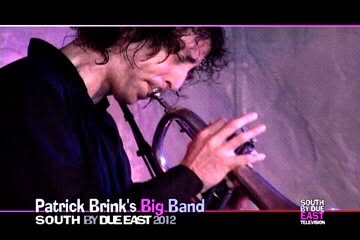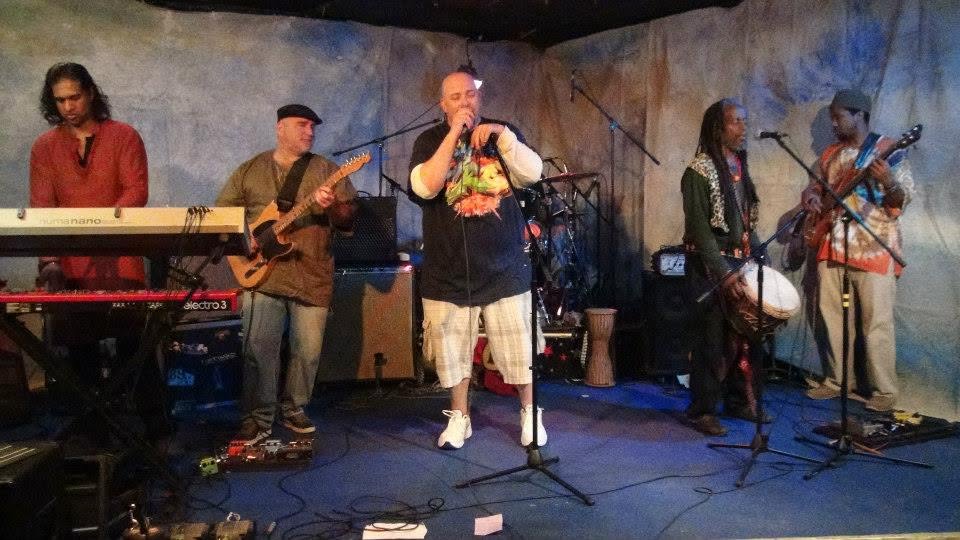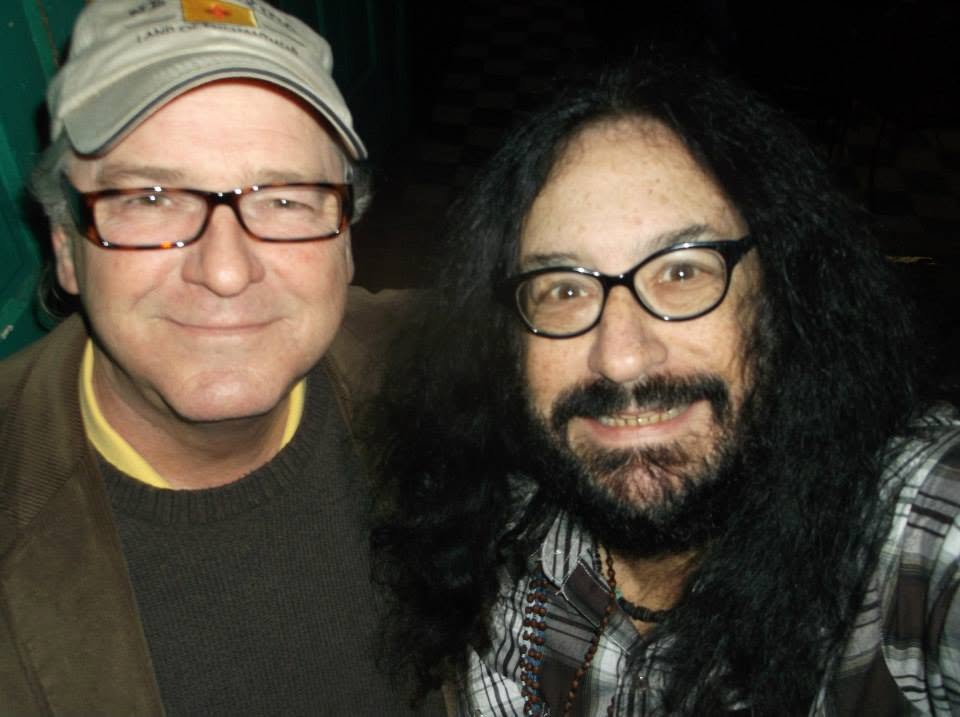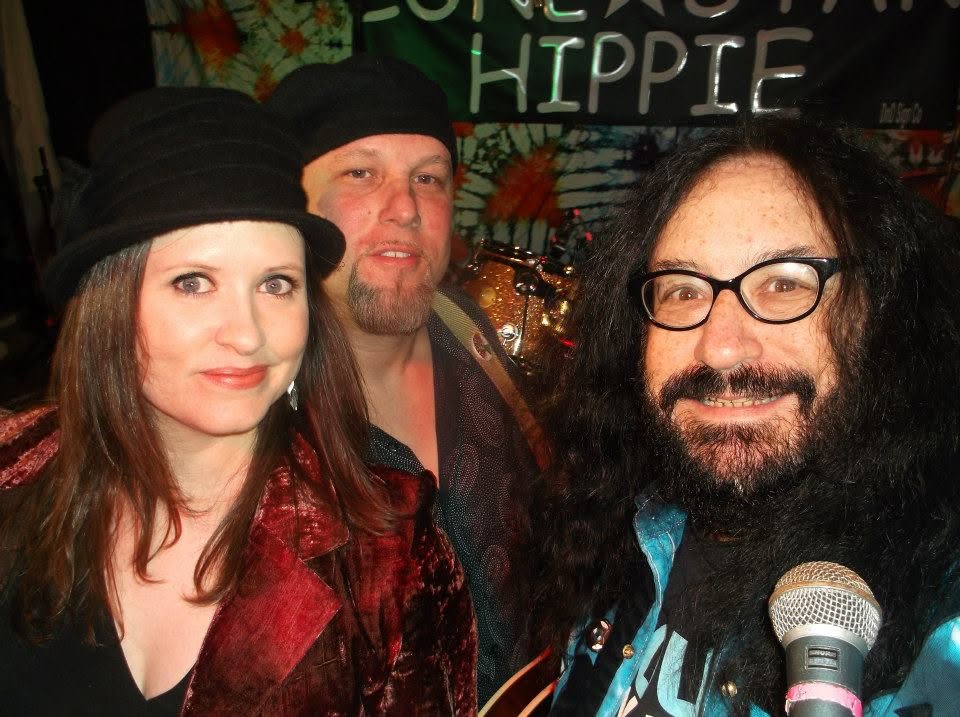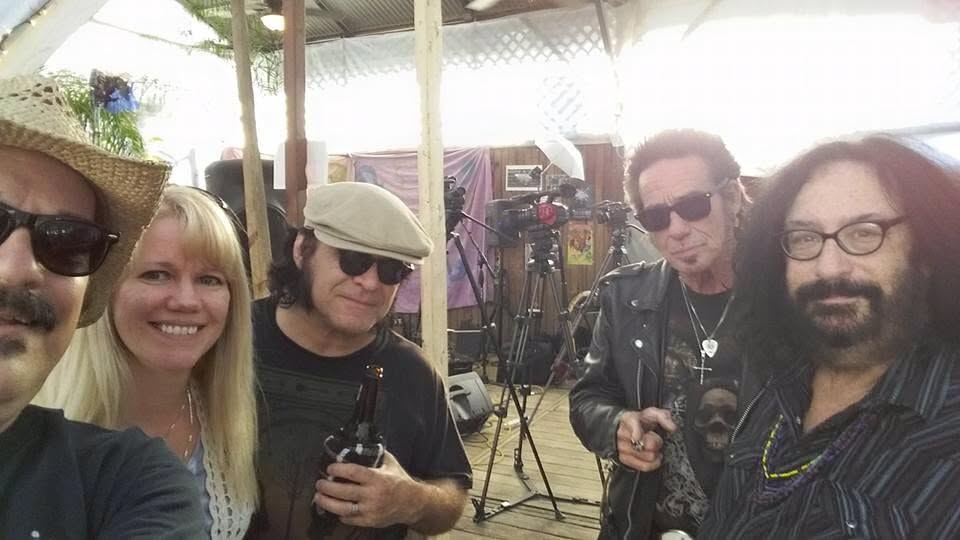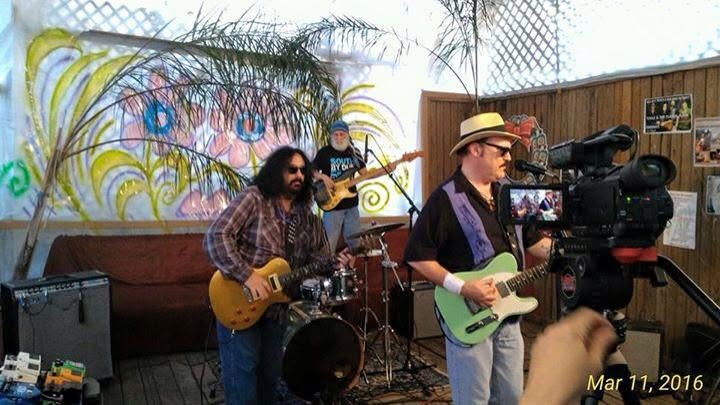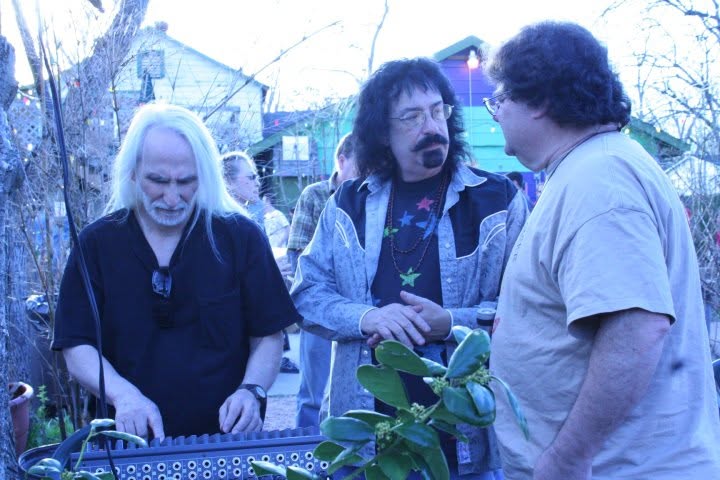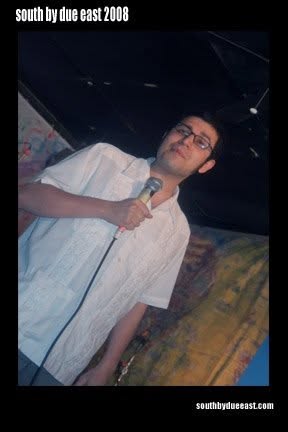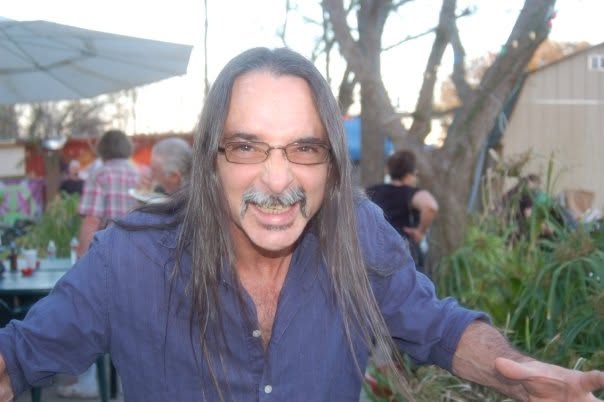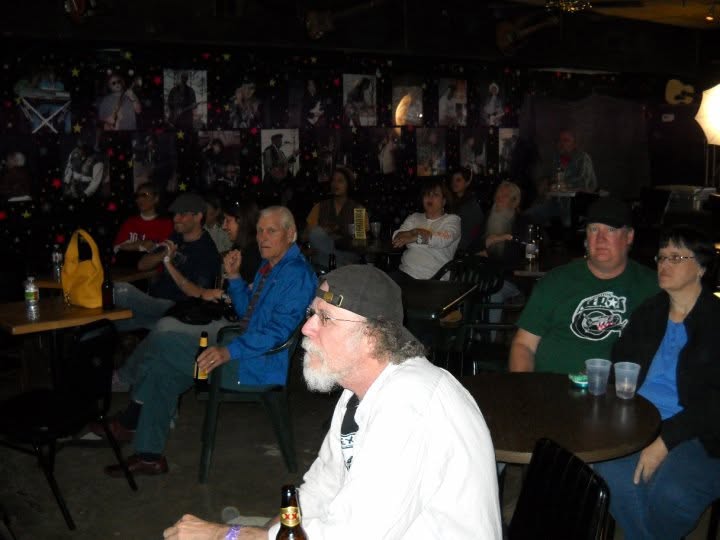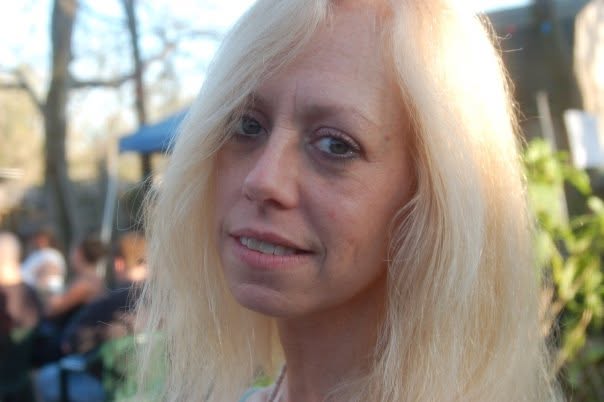
South by Due East: The Festival That Spent Seventeen Years Insisting It Wasn’t a Festival
South by Due East began, as many durable Houston institutions do, with several creative people sitting around complaining about Austin.
The setting was EarthWire.net, an experimental Internet radio station and performance space near Fairview and Waugh in Montrose. This was around the turn of the century, when the phrase Internet radio station still sounded like either a bold glimpse of the future or something a programmer had assembled after taking apart three computers and losing the instruction manuals.
EarthWire was both.
M. Martin, a programmer who had previously been involved with the low-power neighborhood station Montrose Radio, created a place with live programming, a performance stage and almost no respect for the usual boundaries between one kind of program and another.
Musicians played songs. Poets recited poetry. Rappers performed. Comedians did comedy. Sports people discussed sports. DJs played exactly the records they wanted to play, largely because nobody had yet invented an Internet-radio executive capable of stopping them.
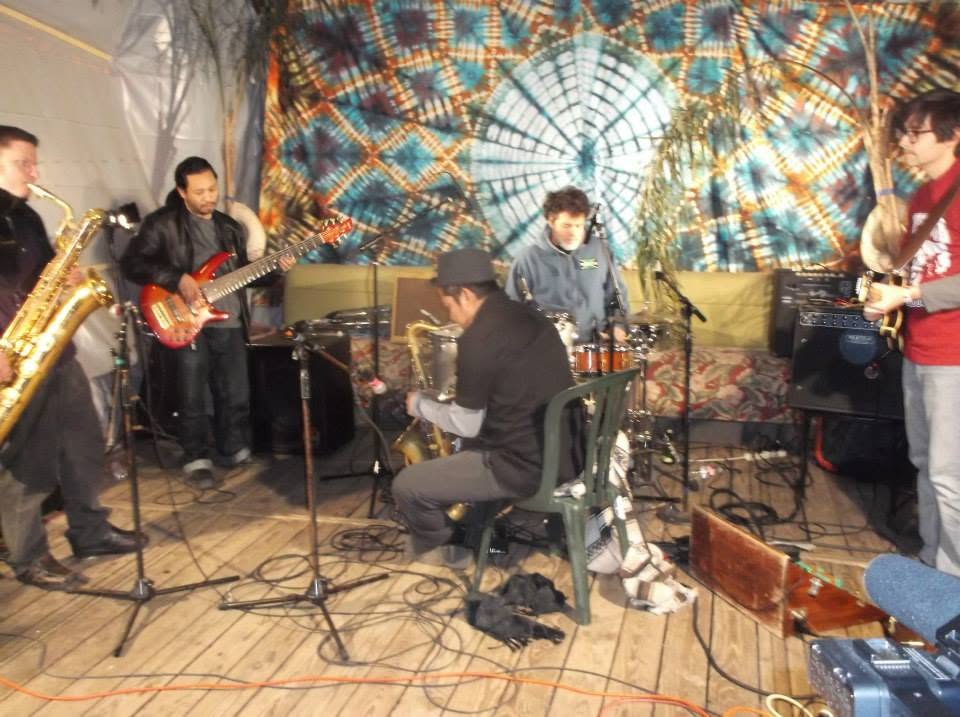
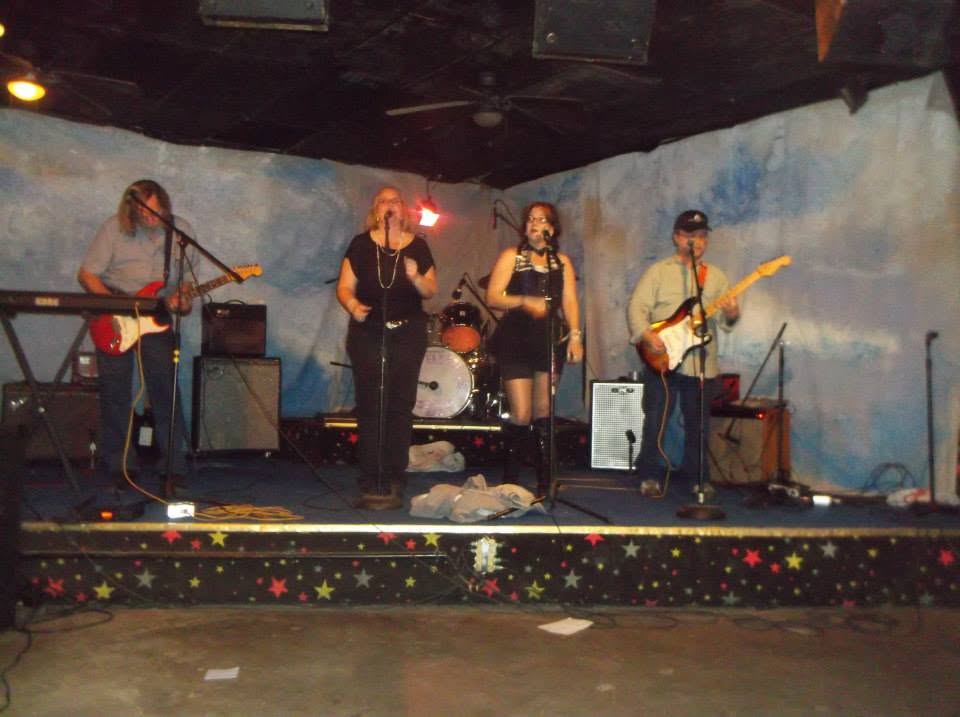
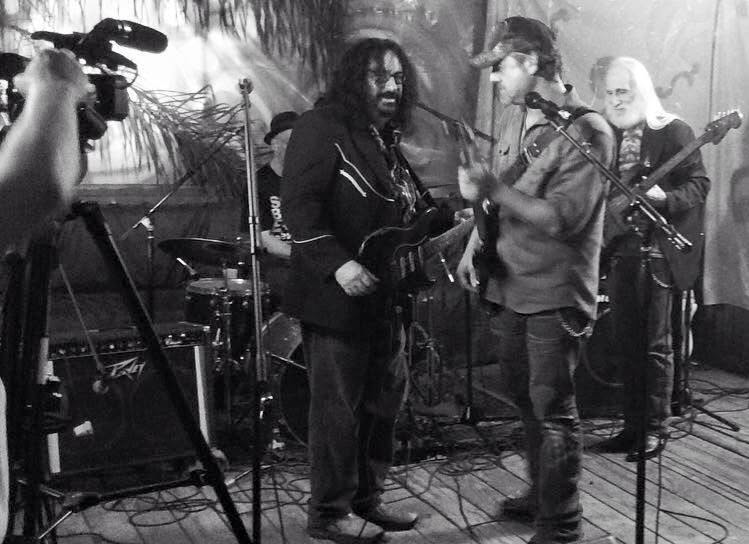
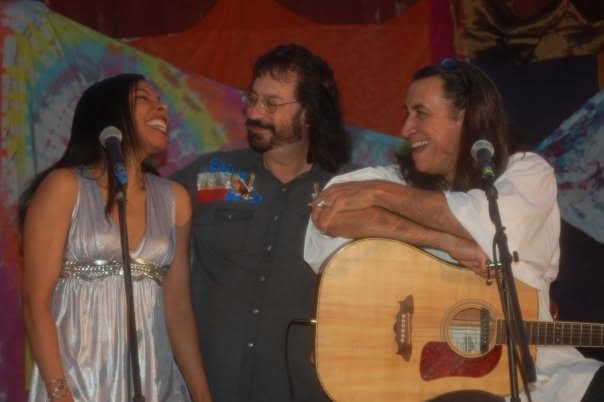
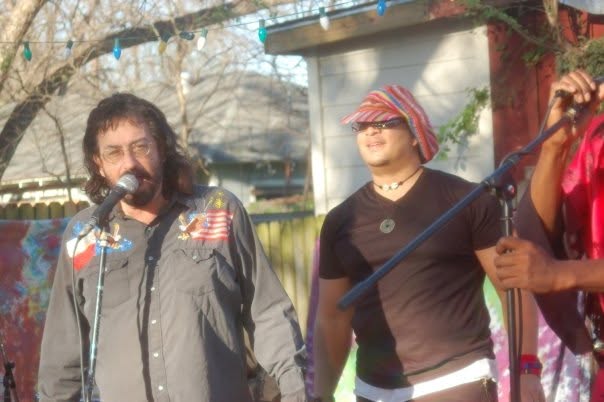
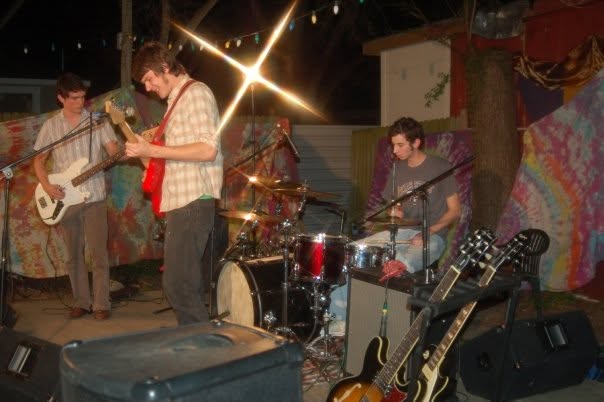
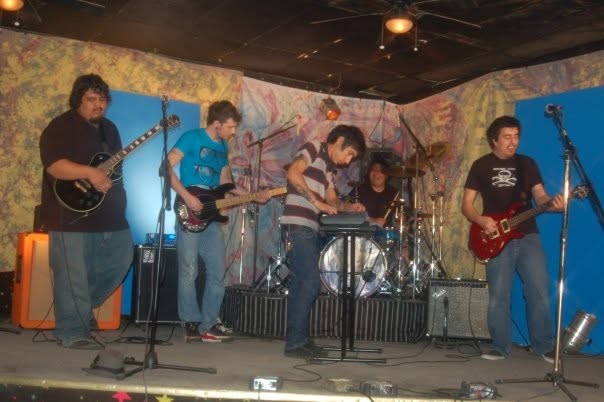
About a third of the programming happened live on the stage in the room. Because the space was small and the participants came from very different parts of Houston, they were forced into contact with one another. Rappers worked with rock musicians. Poets appeared with bands. Mexican rockers, cowpunks, indie musicians, experimental artists and people who could not explain what they were doing until after they had done it began sharing the same stage.
John Nova Lomax later described EarthWire as a rare Houston space where the city’s usually separated musical communities met, mingled and made music. In a city large enough for two musicians to live thirty miles apart and remain unaware of one another for decades, this was not a minor accomplishment.
A Complaint Acquires a Schedule
One day, Lomax, Martin, Marlo Blue and several other EarthWire regulars were gathered on the patio discussing Houston’s miserable representation at South by Southwest.
The exact creation story depends somewhat on who is telling it. Lomax’s first published account placed Martin at the center of the initial idea. Later articles emphasized Marlo Blue and Guy Schwartz. Schwartz remembers Lomax’s criticism as the provocation, Martin and EarthWire as the laboratory, and Marlo as the person who stopped discussing the problem and began doing something about it.
This is normal for an undertaking involving musicians. Within a few years, any successful project will have four origin stories, two disputed titles and at least one person who remembers attending a planning meeting that everybody else insists never occurred.
What is not seriously disputed is that Marlo began doing the work.
Her proposal was considerably larger than holding a few Houston concerts. She wanted to collect recordings and promotional material from Houston artists, represent them inside the South by Southwest convention in Austin, organize a Houston showcase in Austin and simultaneously present another lineup at EarthWire.
The Austin and Houston locations would be connected through the Internet.
Today, that sounds manageable. In 2003, it was closer to proposing that two cities communicate through a homemade satellite assembled from microphone cables, borrowed computers and unreasonable confidence.
Marlo approached Houston Media Source, where Jim Ellinger did not immediately greet the plan with a ceremonial parade. Perhaps he did not think it was practical. Perhaps he did not think she was the person who could accomplish it. Perhaps the idea was simply several years ahead of the language available to explain it.
Marlo continued anyway.
Ethan and Doke Ford helped secure Trophy’s in Austin. Martin eventually agreed to host the Houston performances at EarthWire. Artists were recruited. Martin asked a few. Guy asked a few. Compact discs, posters and promotional materials were gathered. Marlo established a Houston presence inside the Austin convention and helped organize the performances at Trophy’s.
Guy Schwartz’s initial contribution was more modest: if this thing was actually going to happen, he wanted his band to play.
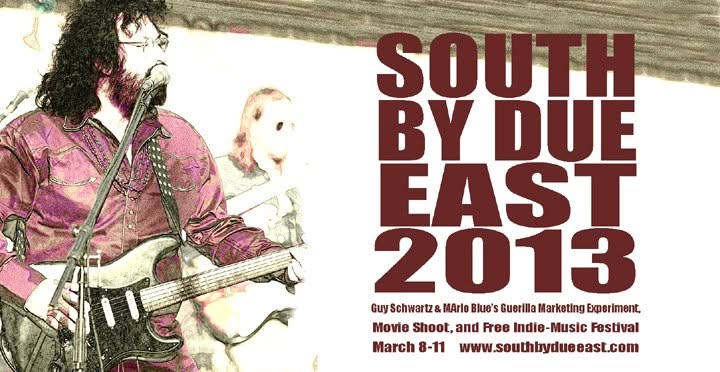
The first published preview announced South by Due East performances at EarthWire from March 14 through March 16, 2003, along with the Houston Hospitality Center at Trophy’s in Austin. The idea was to showcase Houston musicians who had largely been passed over by the considerably larger gathering up the road.
The Camera That Changed the Project
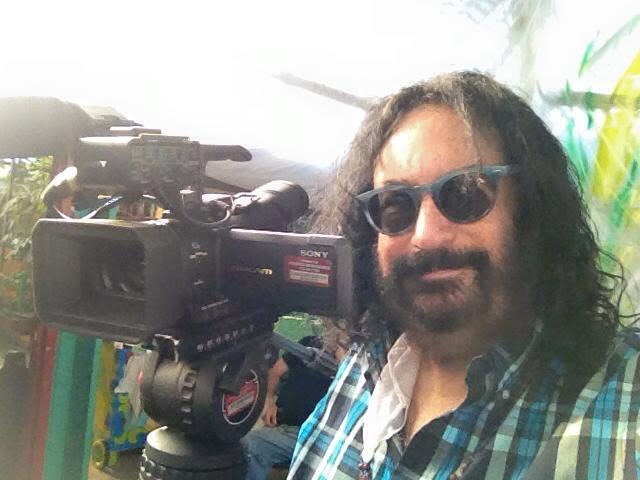
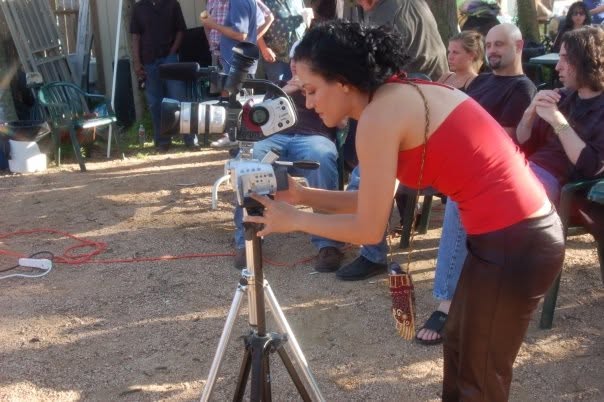
Before leaving Houston, Marlo rented a good video camera and handed it to Schwartz.
Her request was simple: shoot enough footage of the Houston performances so she could see what had happened while she was in Austin.
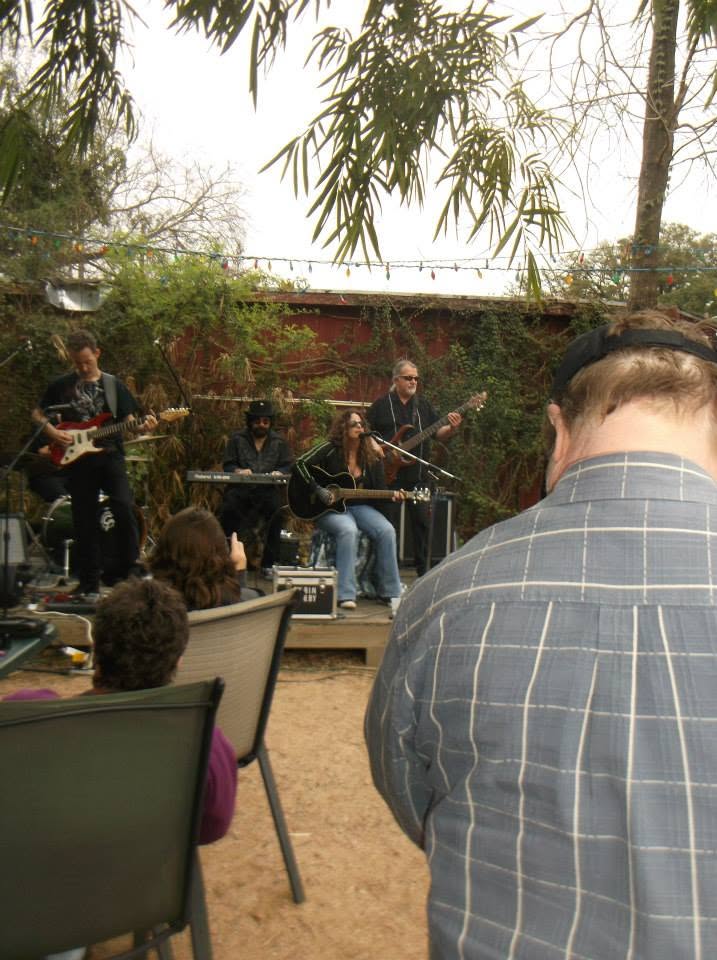
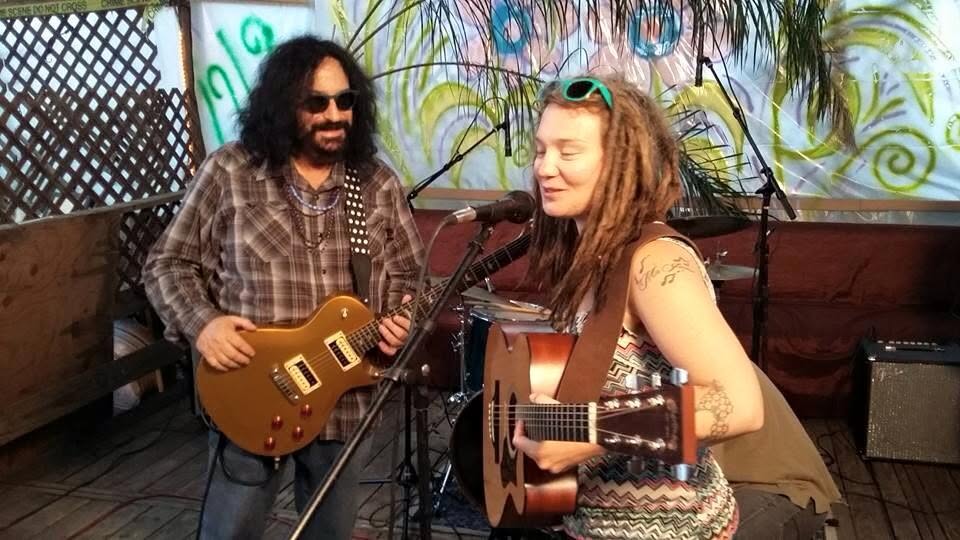
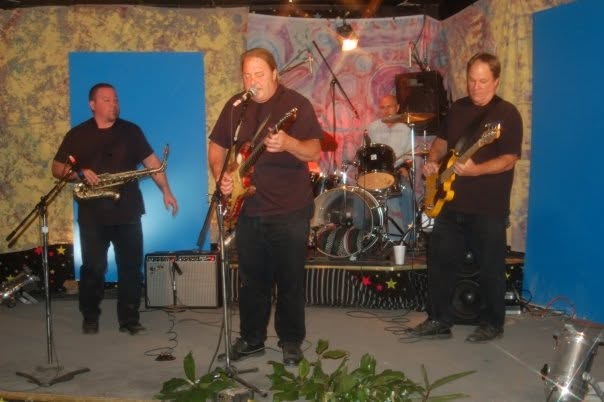
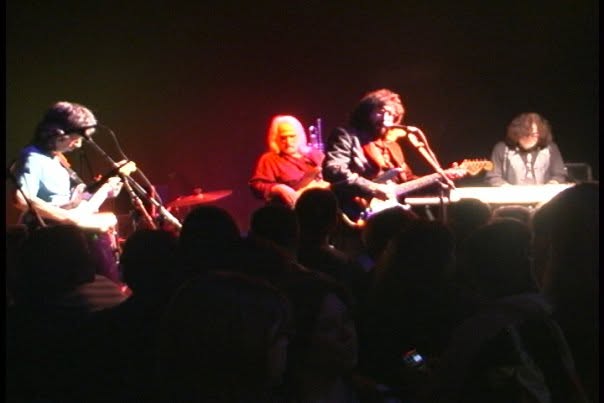
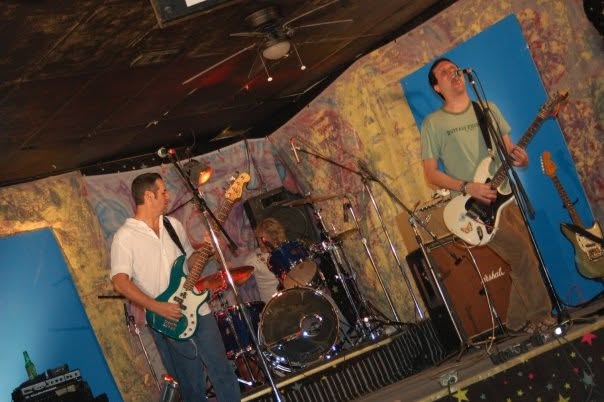
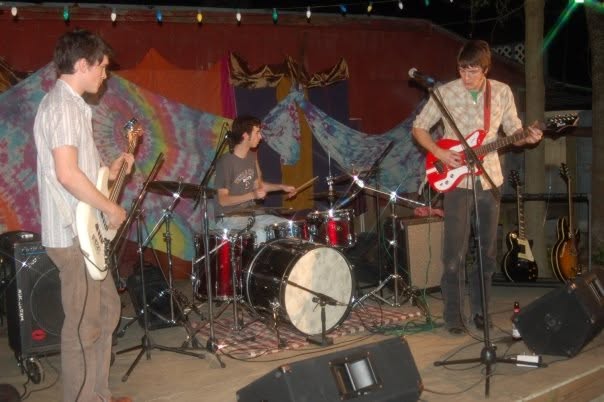
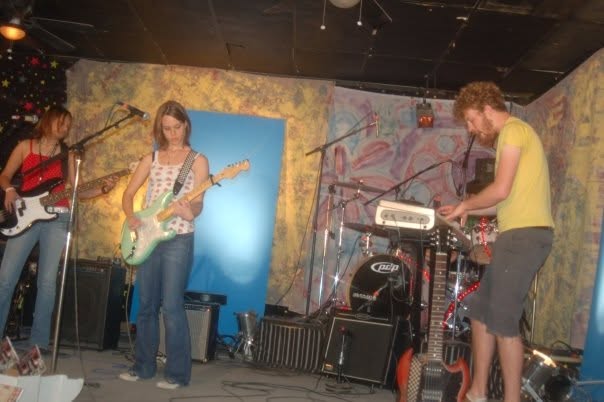
Mikey Farber decided it would be interesting to record the audio onto his computer in two tracks. It was just a little too soon to record reliable multi-track on a laptop. Artists performed from Thursday through Sunday. Admission was free. The rooms filled with musicians, friends and people attracted by the possibility that something unusual was happening.
Sometimes the Internet connection held.
Sometimes the Internet connection remembered that it was an Internet connection in 2003 and wandered away.
Still, the experiment more or less worked. Music was performed in two cities. Houston artists were represented in Austin. EarthWire hosted four days of activity. People who normally occupied separate musical neighborhoods found themselves involved in the same project.
Afterward, Schwartz assembled approximately twenty minutes of footage, giving each artist a minute or two. He had returned to school to study digital audio and video, so the film allowed him to practice, possibly receive a grade and show Marlo what she had missed.
The short film was intended as a souvenir.
Instead, it revealed what South by Due East could become.
The performances did not have to disappear when the musicians left the stage. They could become films, television programs, radio shows, compilation albums and promotional material. Independent musicians who could not afford professional production could leave with evidence that they had played well in front of an audience.
This was before everybody carried a high-definition camera in a pocket and used it primarily to record an entire concert vertically while standing directly in front of somebody shorter.
The first event also generated publicity. Lomax saw the film and wrote about some of the artists. Performers received articles, interviews and additional attention. EarthWire received publicity. Houston had staged an answer to Austin, and everybody went home reasonably satisfied.
Then the following March began approaching, and the participants discovered that they had each not necessarily created the same project.
Festival, Film Shoot or Very Large Disagreement?
Martin saw the possibility of expanding South by Due East into a larger commercial production.
Marlo was considering what direction her original plan should take next. AUstin seemed more inclusive than the previous year.
Schwartz wanted to record another collection of Houston artists and turn the results into television and film.
The central disagreement was simple: Was South by Due East a festival that happened to be recorded, or was it a recording project that happened to have bands, stages, schedules and an audience?
Schwartz denied being a concert promoter. Martin supplied the harsher observation that if something walked like a duck and quacked like a duck, repeatedly insisting it was not a duck did not make it less ducklike.
Lomax reported the disagreement from the safer position of an apparently innocent journalist standing nearby while Martin provided the sharp quotations.
There was truth on both sides. South by Due East had performers, schedules, stages and audiences, all of which are warning signs that a festival may be getting ready to break out. But Schwartz had no desire to sell tickets, build a conventional concert-promotion business, work on tax returns, or send the artists home without useful recordings.
For 2004, the event moved to Super Happy Fun Land, a venue devoted to independent, unconventional and frequently unclassifiable performers. The second South by Due East presented two days of music and poetry on two stages. The Houston Press described it as the brainchild of Marlo Blue and Guy Schwartz and emphasized that it remained free.
The arrangement introduced a practical problem.
Super Happy Fun Land depended partly upon tips. South by Due East also needed contributions to offset the costs of recording, videotape, equipment and production. Nobody devised a reliable system for determining which dollar belonged to the venue and which dollar belonged to the people who had arrived with cameras and planned to spend the next several months working for free.
The problem was solved in the traditional Houston manner.
The event moved.
Dan Electro’s and the Birth of the Television Machine
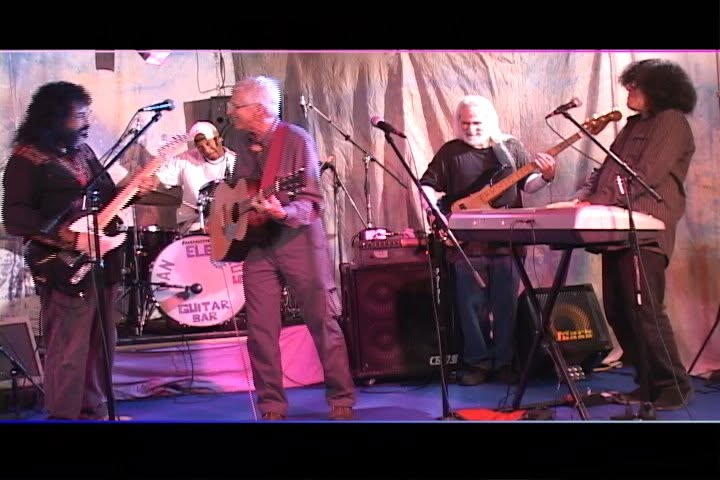
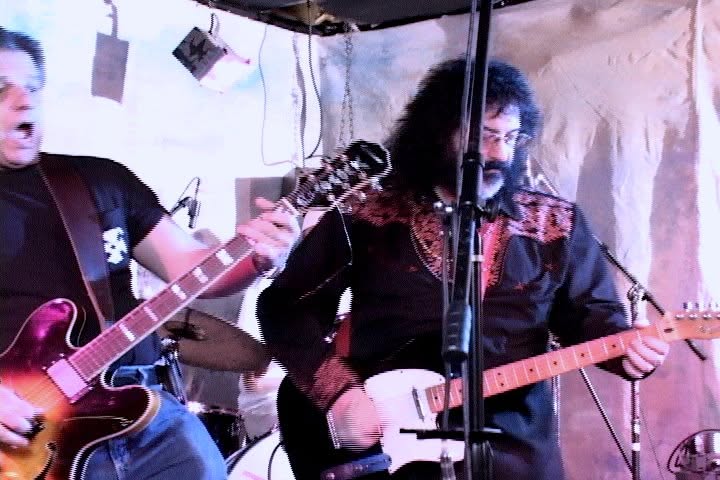
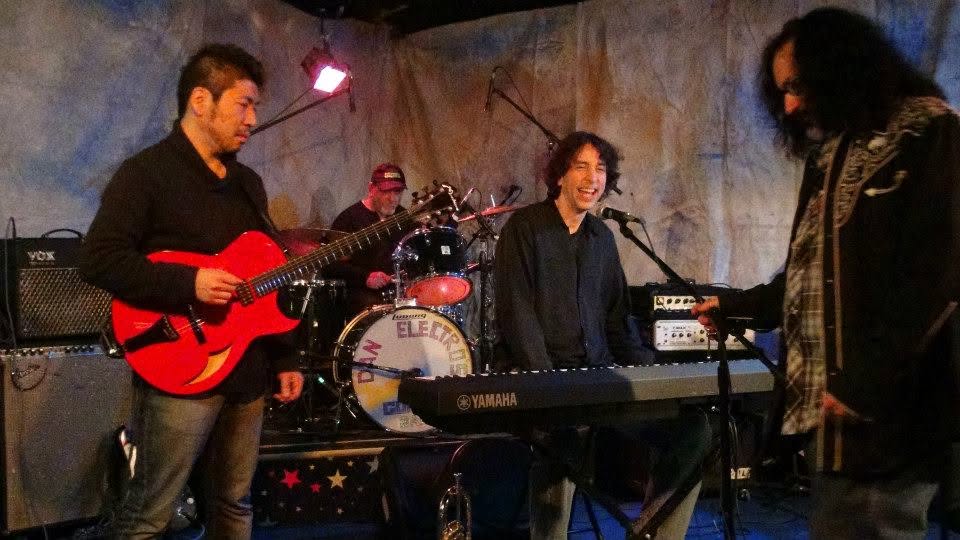
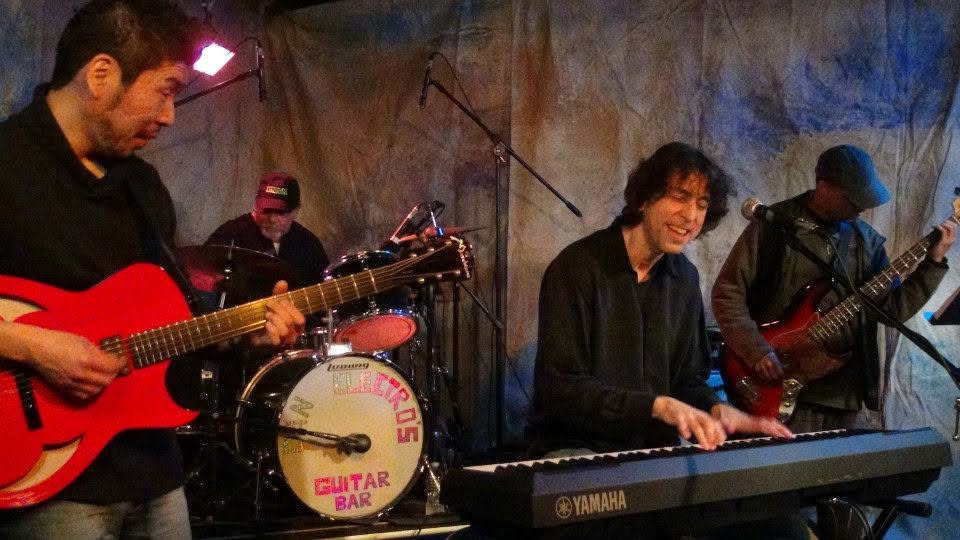
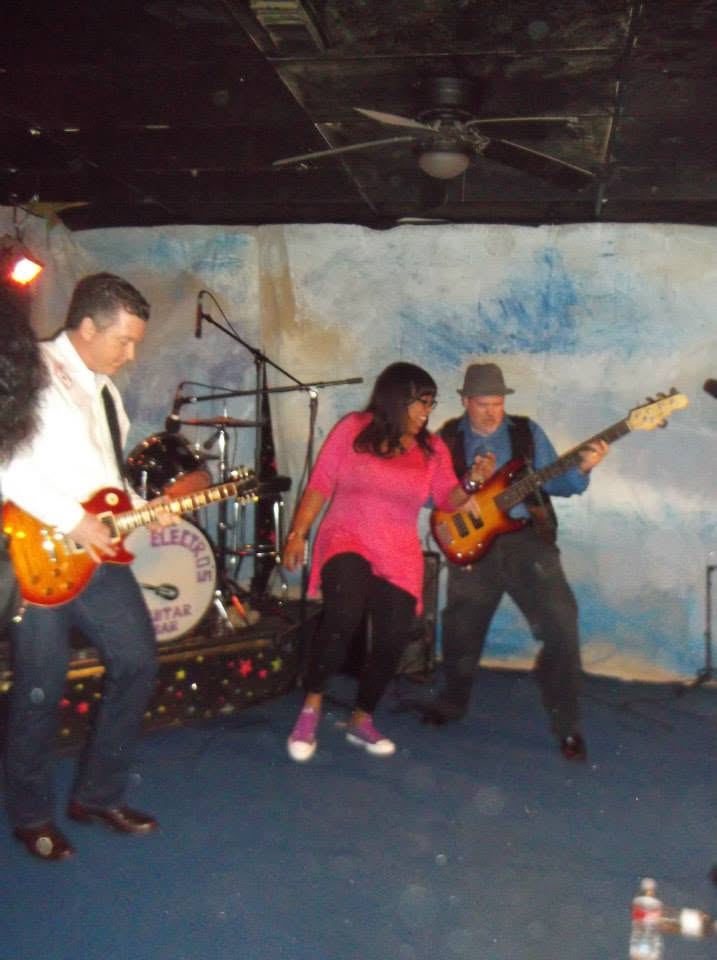
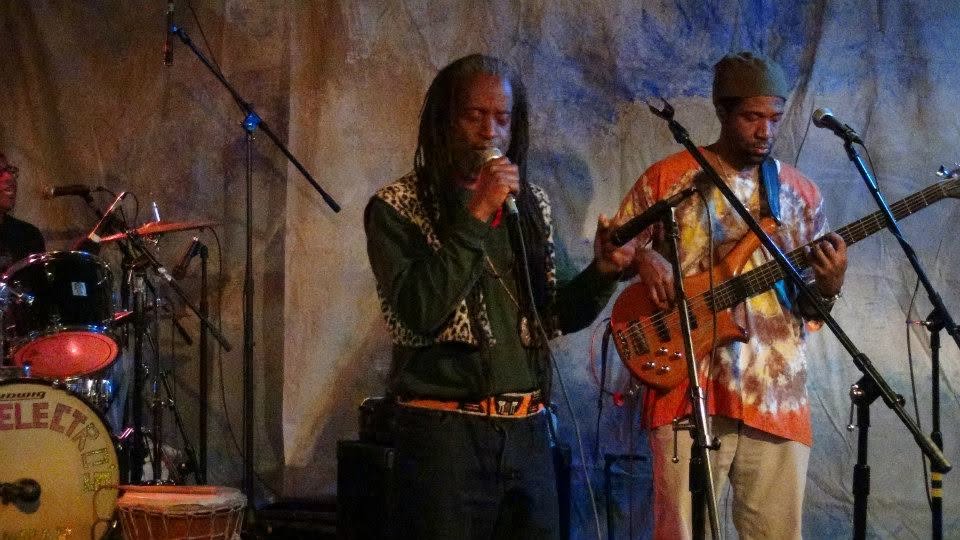
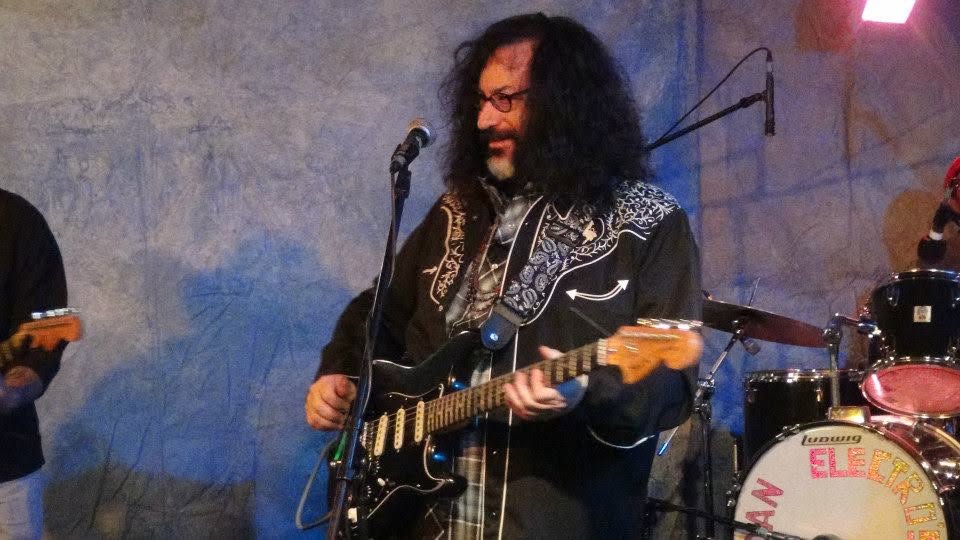
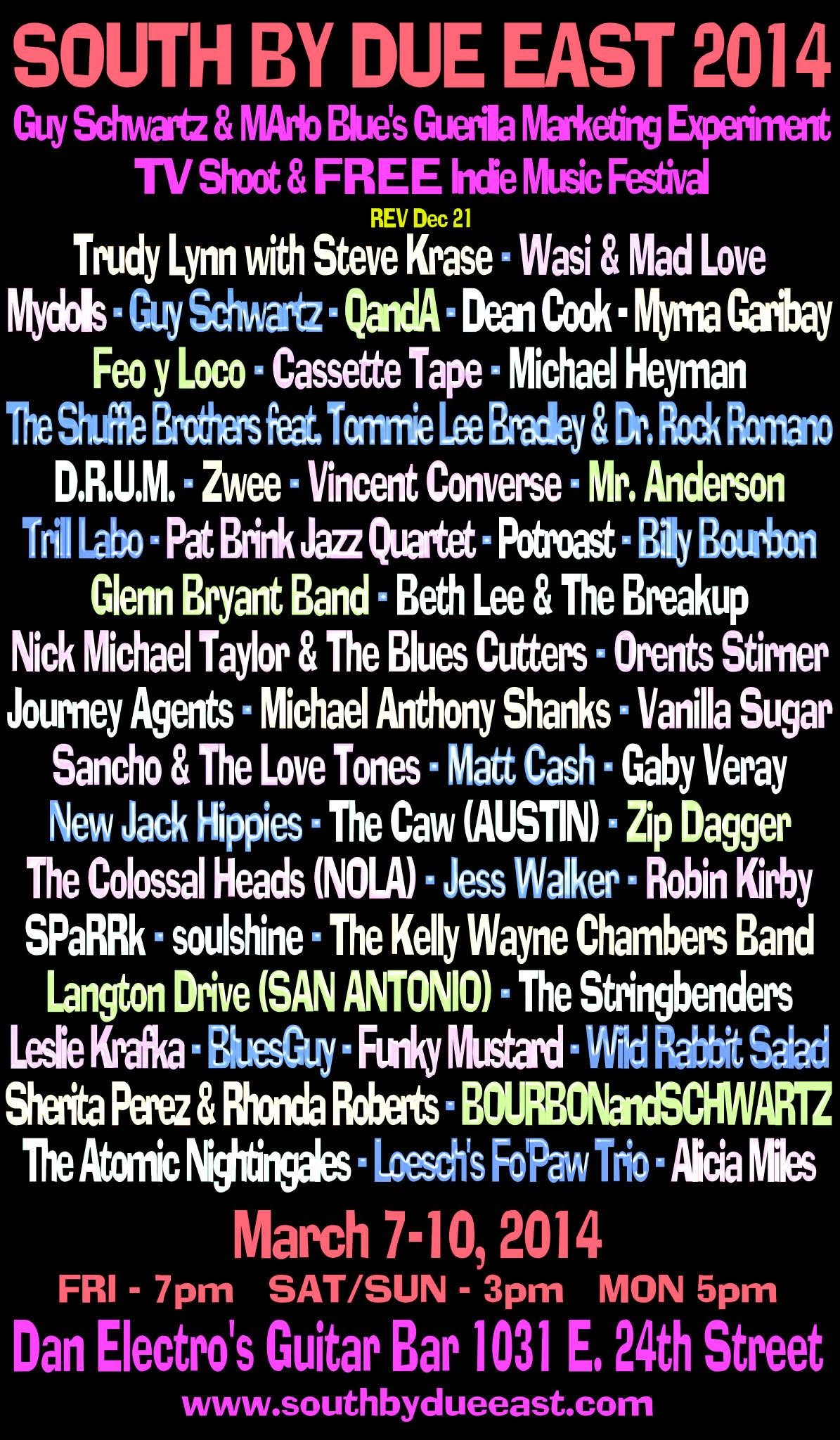
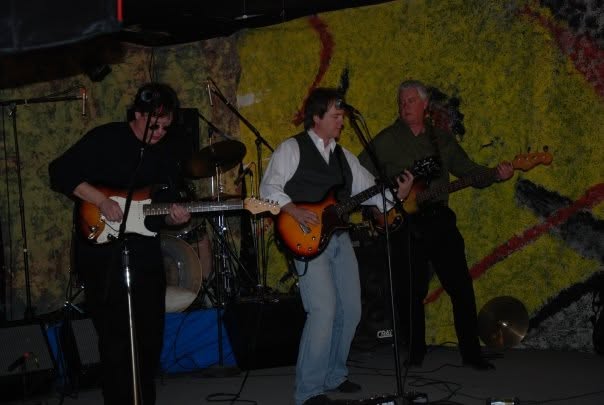
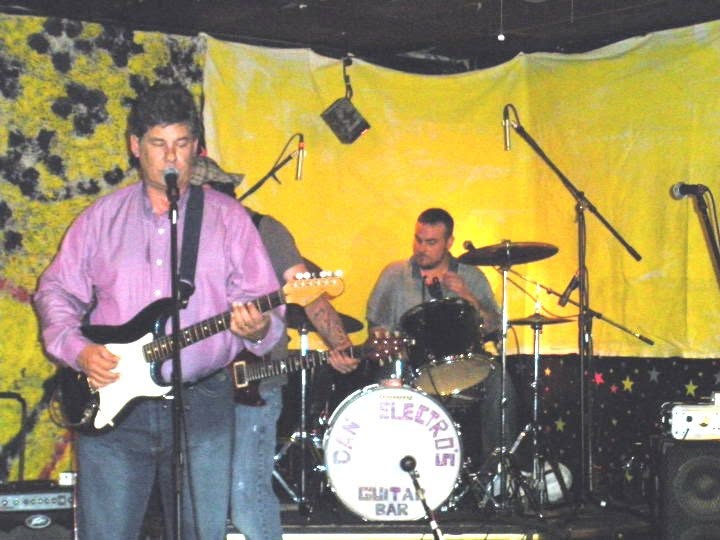
By 2005, South by Due East had relocated to Dan Electro’s Guitar Bar.
Promotional material from the period called it a 'guerrilla marketing experiment' created to promote independent Texas music and Houston’s wider arts community. Admission remained free. The performances were recorded, and the artists were encouraged to share in the resulting audio, video and publicity.
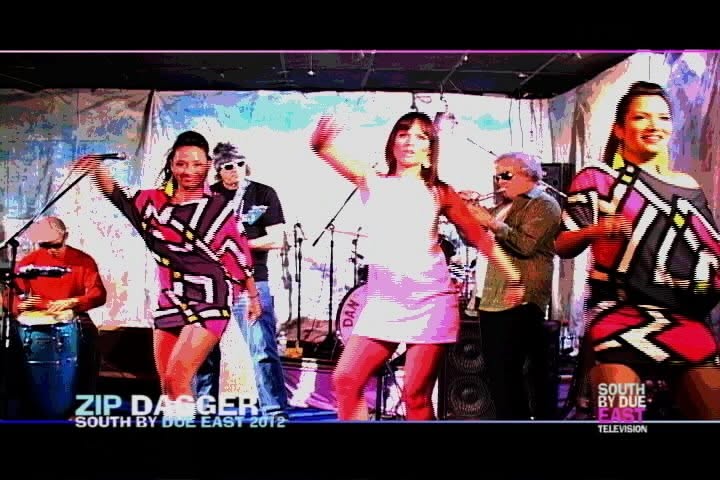
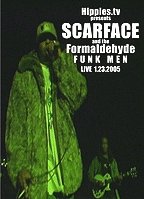
Schwartz and Blue had already begun using footage from the first two events on their public-access series, HippiesTV. Every fourth or fifth episode featured South by Due East performances. The response was encouraging enough that the programs eventually alternated through the two six-month Houston Media Source programming seasons: half a year of 'Hippies.TV', followed by half a year of 'SOUTH BY DUE EAST Television'.
By early 2004, a live recording from the first event was already being prepared for release. Compilation albums followed from the 2003, 2004 and 2005 performances, and a two-disc collection was assembled from 2007.
The event itself occupied several days each March.
The consequences occupied most of the following two years.
The Two-Year Machine
South by Due East developed a production cycle that was more complicated than simply holding a festival every year.
It worked in alternating two-year stretches.
The Touring Year
South by Due East would take place in March. As soon as the event was over—or as soon as everybody had located enough of the cables to be reasonably certain the event was over—Schwartz would leave town for roughly six months.
Sometimes he toured with the New Jack Hippies.
Sometimes he toured as a singer-songwriter or entertainer.
One year he traveled with Opie Hendrix. Another year he went out with Billy Bourbon. There were other combinations, too.
On one particularly unusual project, Guy and Marlo traveled with cameras and recorders, guitars and basses, with no fixed production waiting for them. They would arrive in a town, locate musicians and artists, assemble some kind of event and record whatever they created. That became 'Guy Schwartz’s Road Journal', part tour, part documentary, part musical scavenger hunt and part proof that a complete production plan is not always necessary when one owns enough cables.
After approximately six months on the road, Schwartz would return to Houston with about five months remaining before the next South by Due East.
Those five months were expected to contain:
- Most of the remaining video editing from the previous event;
- Remaining television episodes for a season already in progress;
- Audio mixing and preparation;
- Scheduling and planning for the next event;
- Whatever New Jack Hippies recording work had accumulated;
- And the occasional unavoidable activity known as ordinary life.
He was almost always behind.
This was not considered a flaw in the system. It was the system.
The Stay-Home Year
After the following South by Due East, Schwartz would not tour.
He stayed in Houston and caught up.
This year was used to finish the television backlog, complete audio and video production, work on New Jack Hippies recordings and other projects, produce radio programs and begin assembling the next South by Due East.
There was no actual time off.
On the stay-home years, South by Due East became a year-round occupation. Once the old production work was finally under control, it was time to schedule the next event. Who are we kidding, the production work was never under control. They satisfied themselves with pride in whatever large volume of work was accomplished. Once the next event had been organized and held, the two-year touring interval had elapsed, and Schwartz went back on the road.
The cycle was therefore not:
- Hold festival.
- Rest.
- Hold another festival.
It was:
- Hold South by Due East.
- Tour for six months.
- Return home behind on everything.
- Edit for five months while organizing South by Due East.
- Hold South by Due East again.
- Stay home for a year catching up.
- Organize South by Due East while catching up.
- Hold South by Due East.
- Leave on tour again.
Wonder why nobody had scheduled a vacation?
Guy thought that touiring WAS vacation!
A 2014 Houston Press article noted that South by Due East had grown into four days of performances and that every set was still being recorded for later television. Schwartz expected to spend most of the following year editing the footage.
The project was less a festival schedule than an elaborate system designed to ensure that nobody involved would ever experience the unsettling emptiness of free time.
Roger Tausz Enters the Control Room
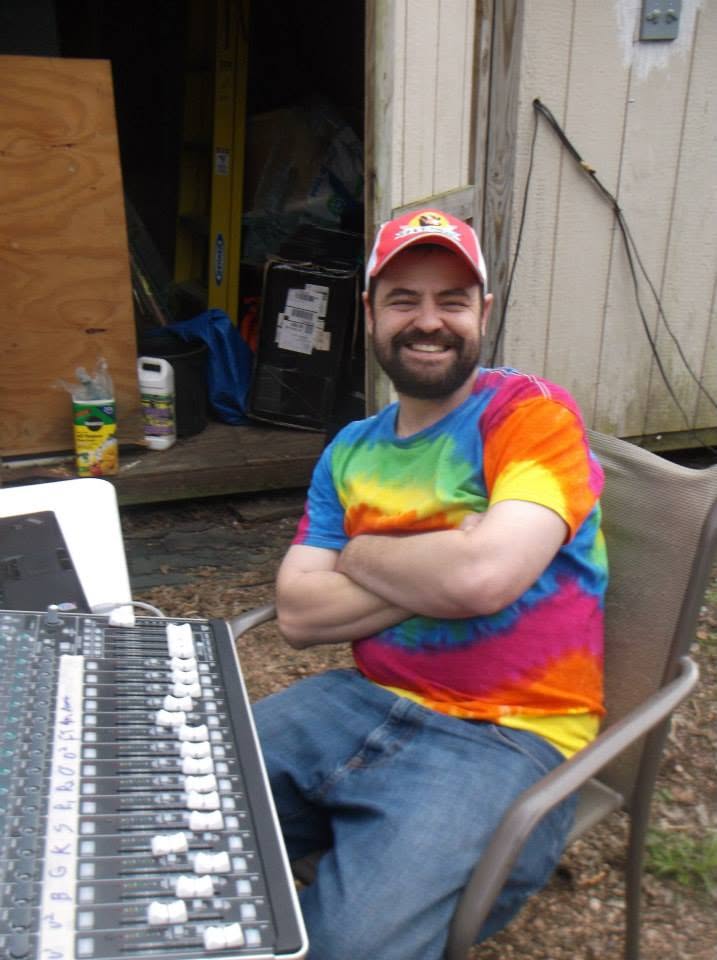
After the third or fourth year, Roger Tausz moved back to the Houston area and became central to the audio side of South by Due East.
Tausz had been Schwartz’s musical and recording partner since the 1970s. At South by Due East, he became the chief audio engineer, mixer and one of the people most likely to remain at work long after the musicians had forgotten what they played.
Schwartz handled the video editing. Schwartz and Tausz mixed together when practical. Tausz also mixed many, and eventually most performances by himself, moving from artist to artist, song to song, television episode to radio program.
If another performance needed to be repaired, balanced and completed, Roger worked on it.
If a radio show needed a properly mixed song, Roger worked on it.
If a voice-over had to be placed, a level corrected or one more artist prepared for broadcast, Roger was involved.
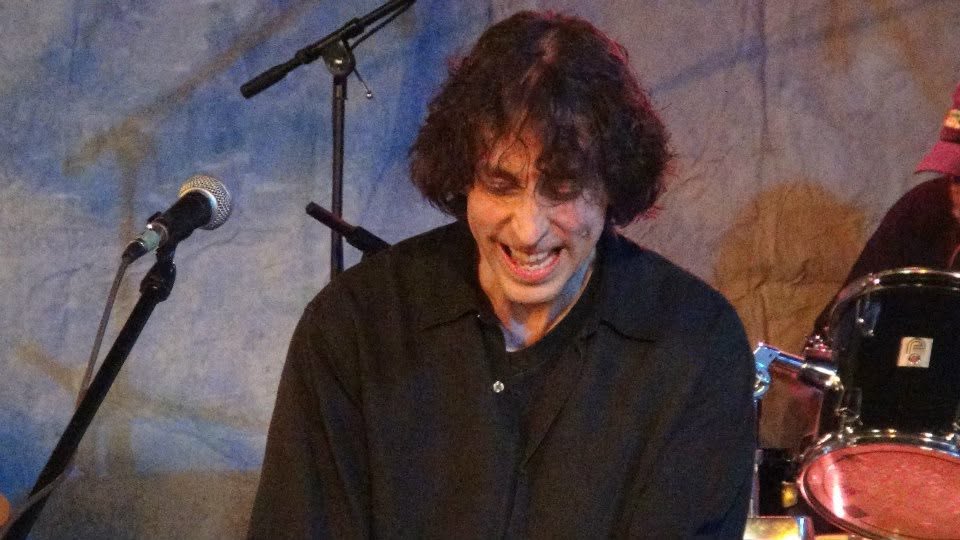
The performers onstage were the visible part of South by Due East. The archive exists because Tausz, Schwartz, Farber, Houston Media Source technicians and an evolving collection of volunteers continued working after the room was empty.
Marlo Ramrods the Show
Marlo Blue’s role changed after the project’s early years, but it did not become incidental.
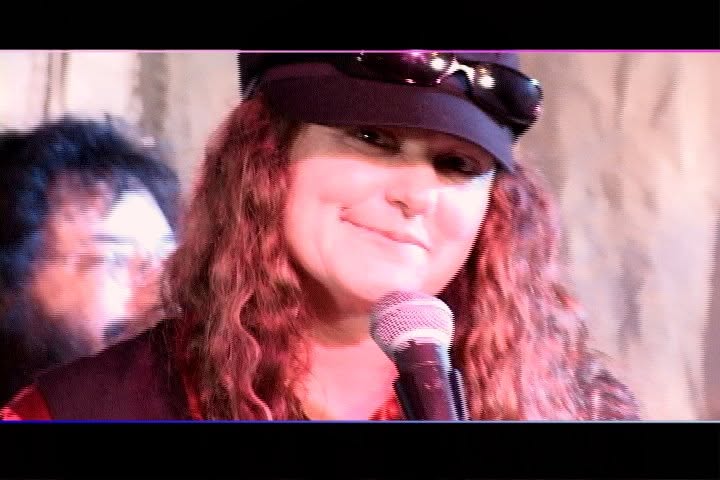
In the beginning, South by Due East was primarily her undertaking. She pursued the original concept, gathered Houston’s promotional material, organized people in two cities, represented the city in Austin and made sure Schwartz had the camera that changed the project’s long-term direction.
As the years passed, she began building her own radio and television career. Much of the year-round video editing, audio production and program assembly fell to Schwartz and Tausz.
When festival time arrived, however, Marlo did not simply return to check the paperwork and make sure somebody had remembered the batteries.
She ramrodded the show.
She reminded artists and crew members where they were supposed to be and when they were supposed to be there. She made sure each production station kept moving. She helped people understand what they were expected to do. She kept track of equipment, permissions, cameras, schedules and human beings who had been told the same instruction twice but had apparently interpreted that as an invitation to ask a third time.
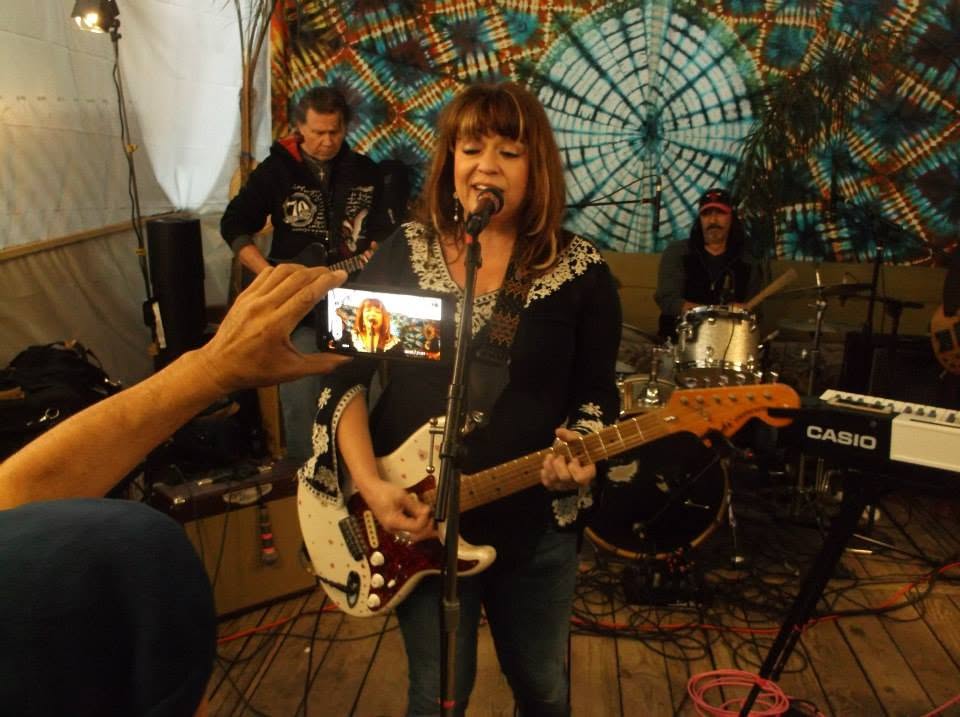
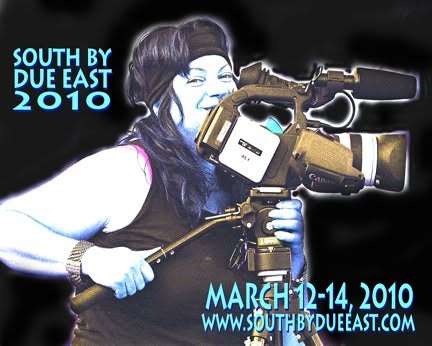
She also operated cameras herself.
Marlo and Guy were usually the only two people who maintained an overview of the entire event. Guy’s overview was complicated by the fact that he was also frequently the musician, host, stage manager, director and cameraman. Marlo’s job was often to keep the entire moving apparatus from turning into several unrelated activities occurring in the same building.
Both stayed solidly busy.
The pattern had been present from the first year. In 2003, Marlo made sure Guy had a camera before she left for Austin. In later years, she made sure the camera crews, recording positions and artists were where they needed to be. David Rozycki’s 2019 account described her concentrated event work as essential to the permissions, organization and camerawork needed to make the enormous post-production job possible.
South by Due East began partly because Marlo made sure a camera existed.
It continued partly because she kept making sure the cameras—and the people operating them—were pointed in useful directions.
The Podcast That Arrived Before Podcasts
During one of Schwartz’s stay-home production years, he created a podcast based around Houston music.
The idea was sound.
The timing was not.
This was several years before Marc Maron and before the word podcast became routinely followed by advertisements for mattresses, meal kits and personal-grooming products.
As a podcast, it did not work particularly well because much of the potential audience had not yet discovered that it was supposed to listen to podcasts.
As a radio program, it worked very well.
Several terrestrial and Internet stations requested copies. Backyard Radio, Wild Man Steve Radio and other outlets aired the programs, allowing South by Due East recordings to reach listeners outside Houston. That was gratifying because the project had always been about getting Houston artists heard, not merely accumulating tapes in a room.
KPFT-FM90.1 in Houston began airing occasional South by Due East programs. Eventually the arrangement became regular: once a week on the FM station and once a week on the HD2 Internet channel.
The program remained alive after the live event stopped.
A project created because Houston musicians were not being heard in Austin had found a way to send those musicians around the country and the world without requiring them to load an amplifier into a van.
This was a major technological advance, especially from the amplifier’s point of view.
Houston’s Best Fake Festival
By the middle of the 2010s, South by Due East had become difficult to explain in one sentence.
David Rozycki called it Houston’s most eclectic and least expensive music festival. The following year he adopted Schwartz’s preferred description and called it the city’s best “fake festival.”
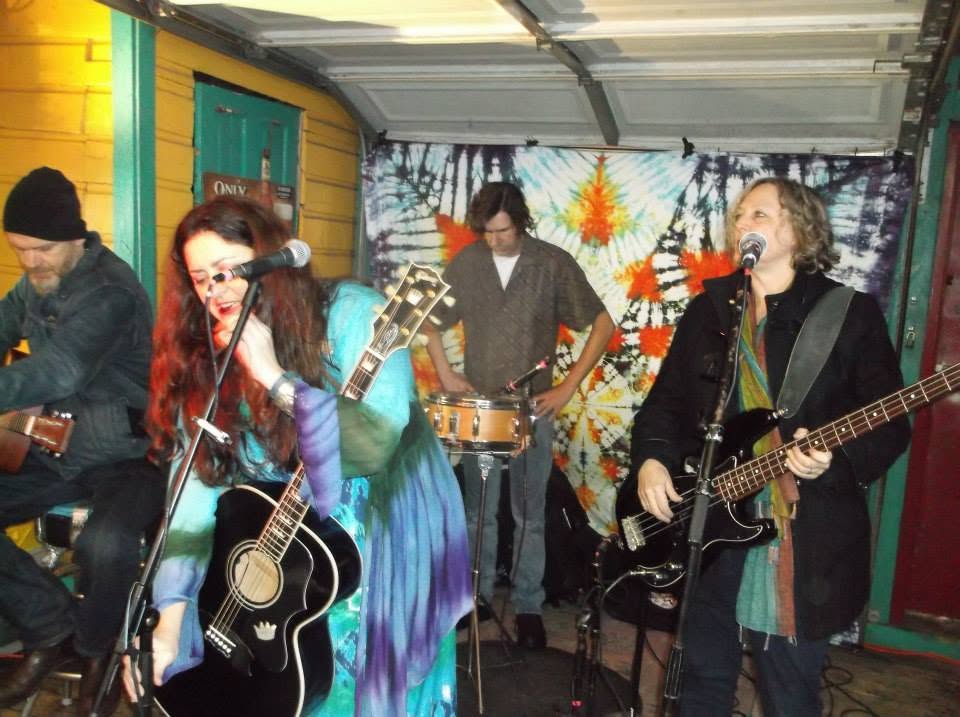
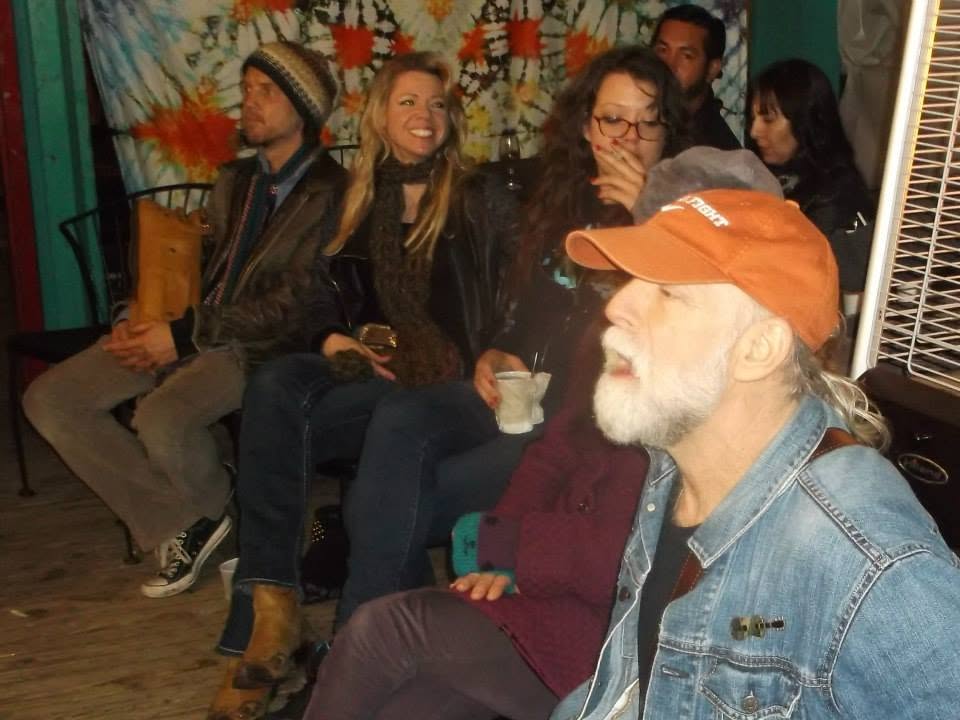
Schwartz continued to explain that it was fundamentally a television shoot and recording session, although members of the public were permitted to enter and behave as if they were attending a real festival. Since bands played throughout the day for several days in front of an audience, the illusion was convincing.
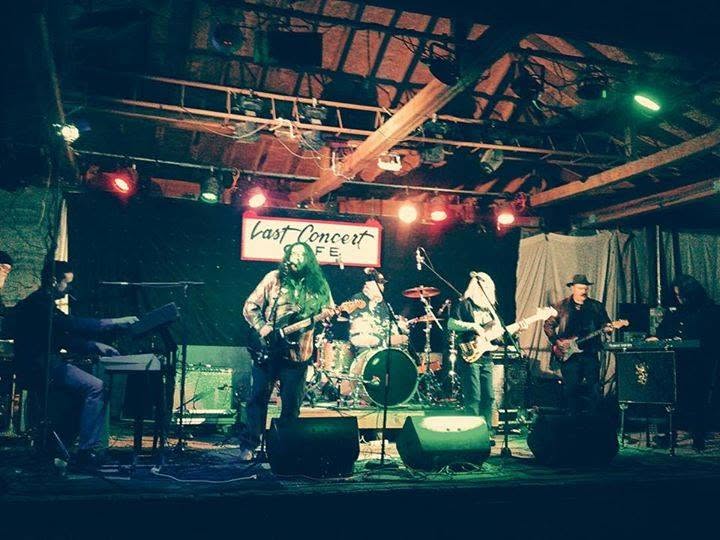
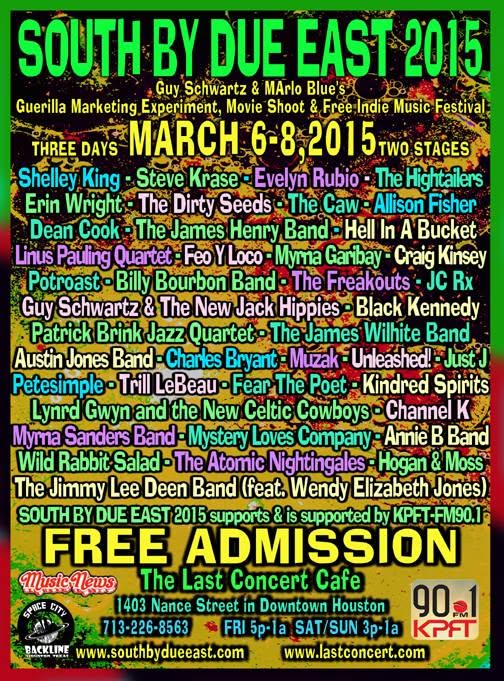
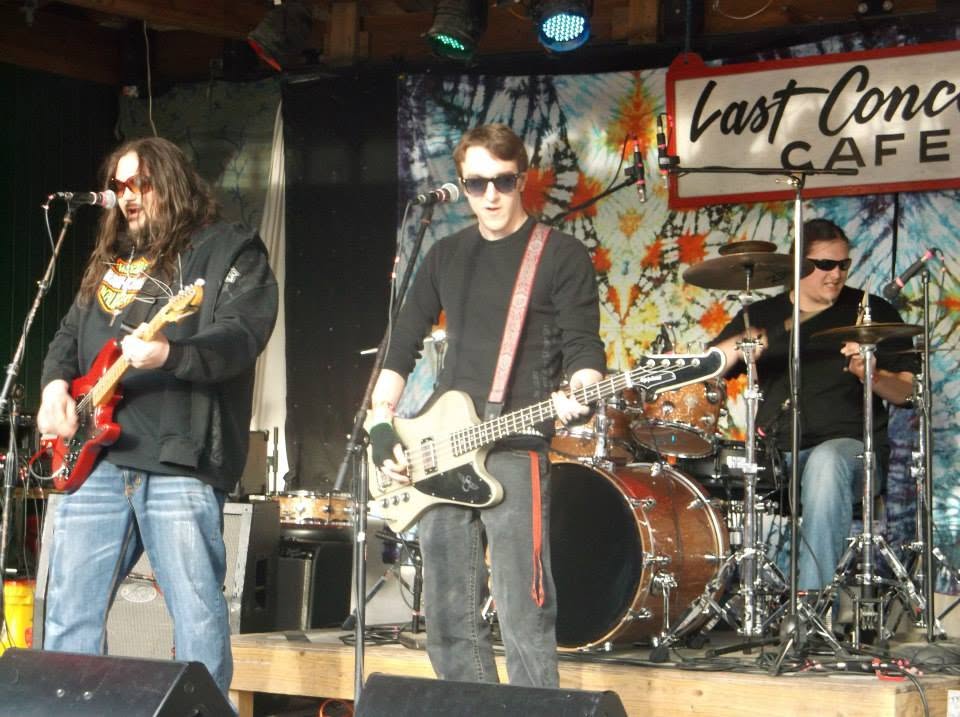
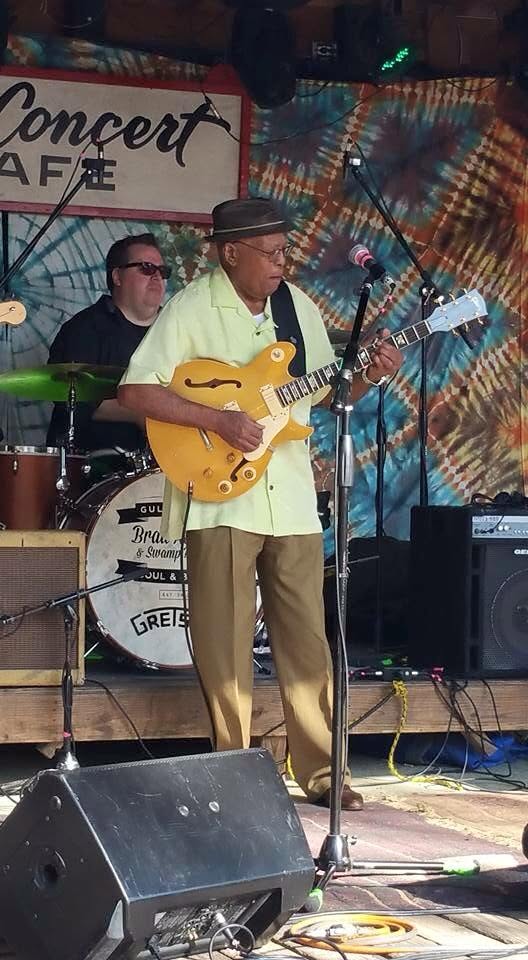
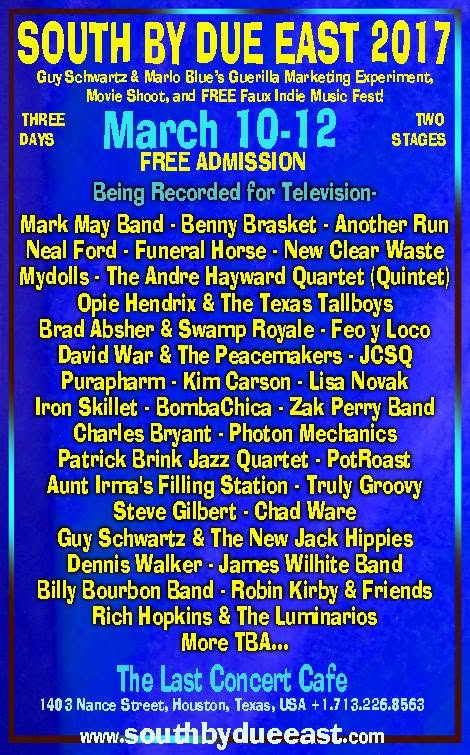
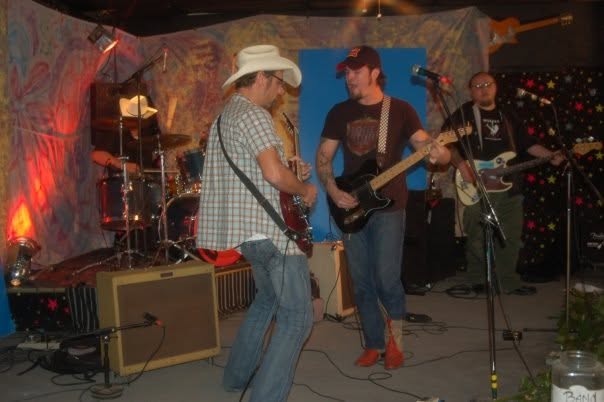
The event moved between Dan Electro’s and Last Concert Café. The organizers had intended to change venues more frequently so the television programs would show different stages and surroundings, but this plan was repeatedly defeated by the discovery that they liked certain venues and did not feel like moving all the equipment again.
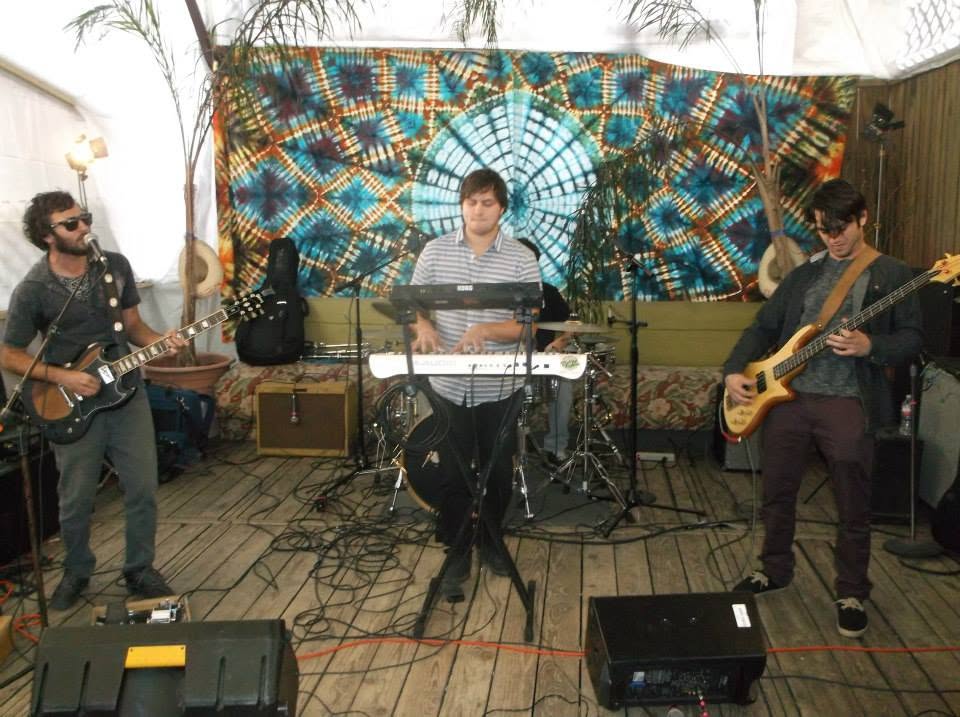
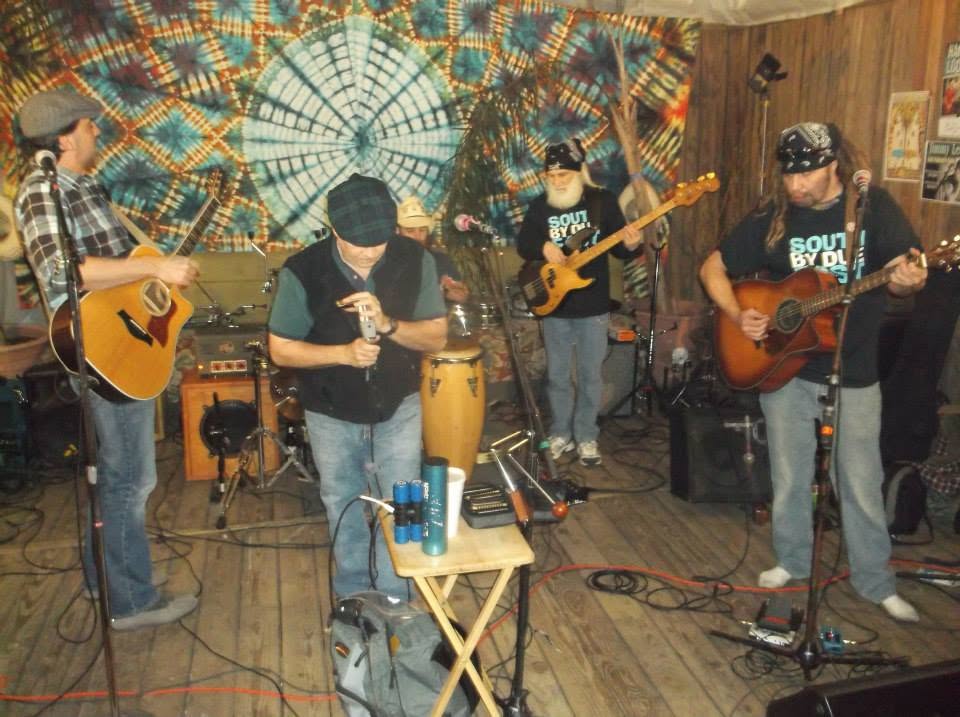
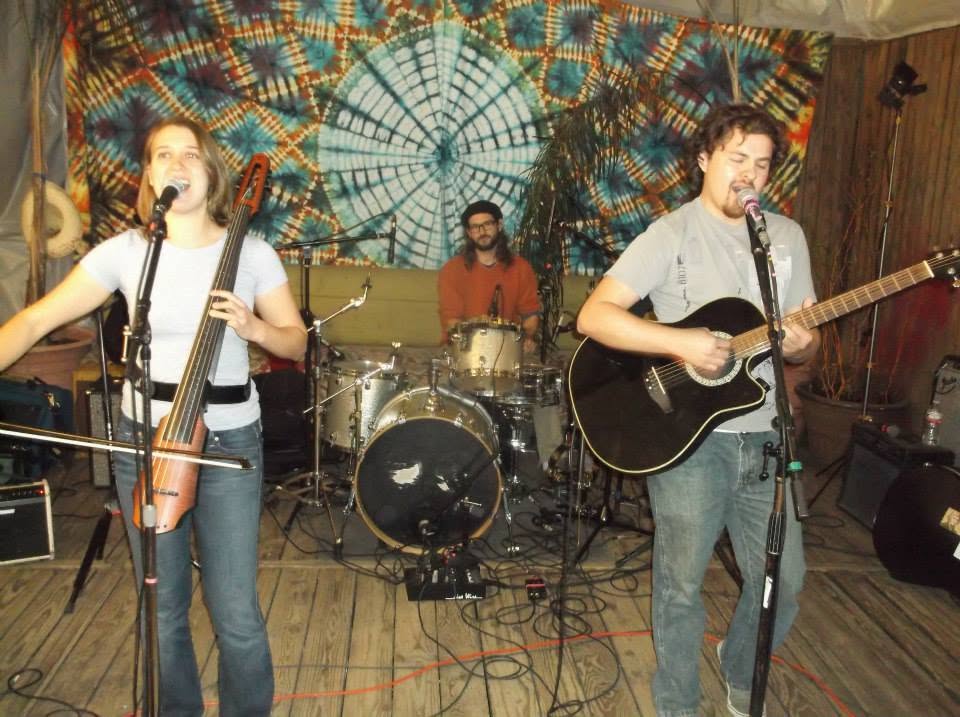
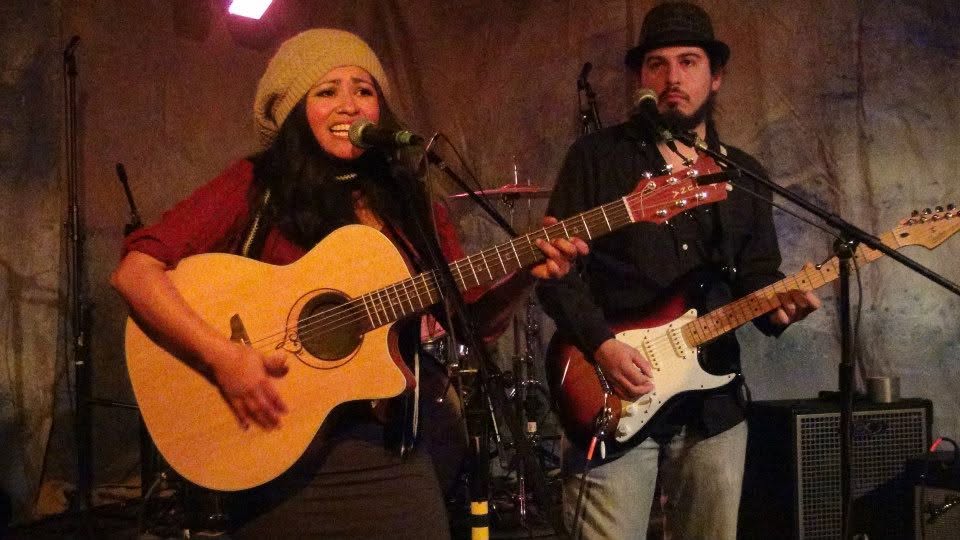
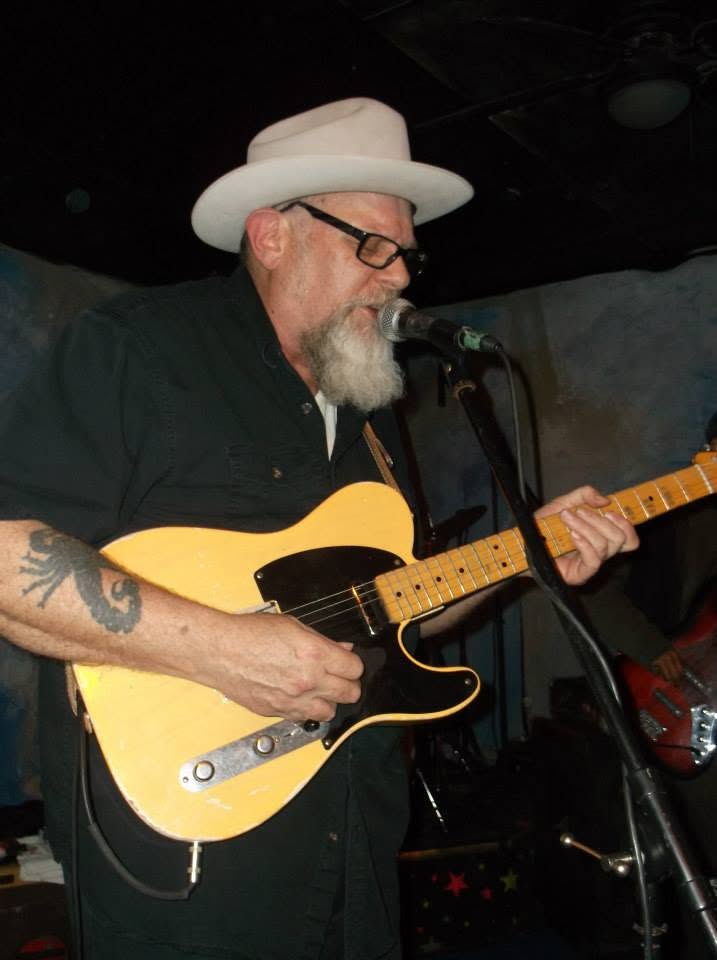
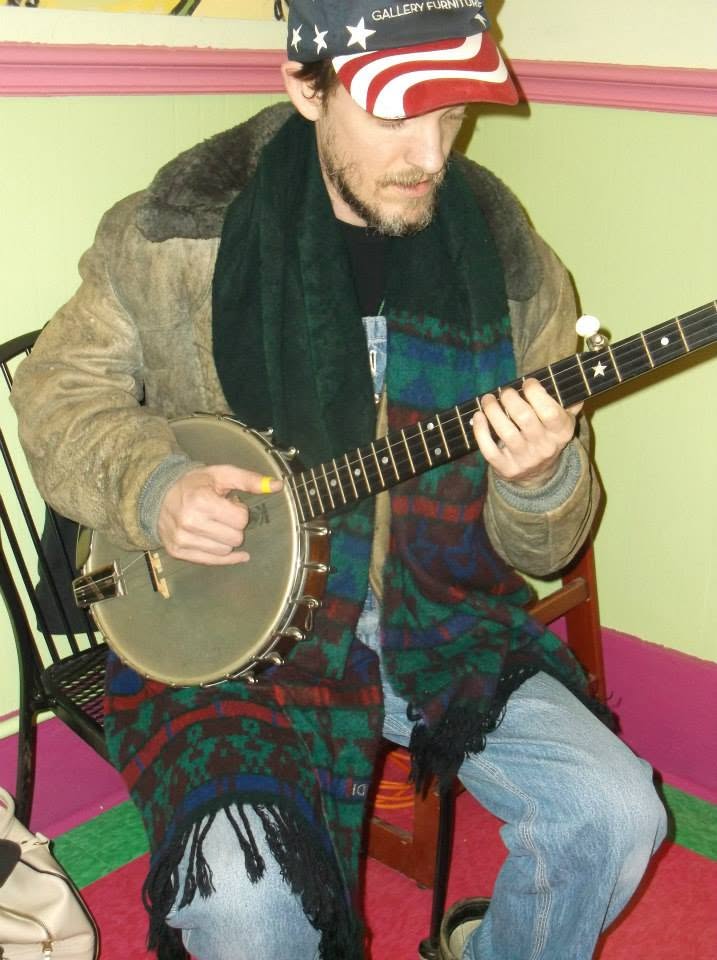
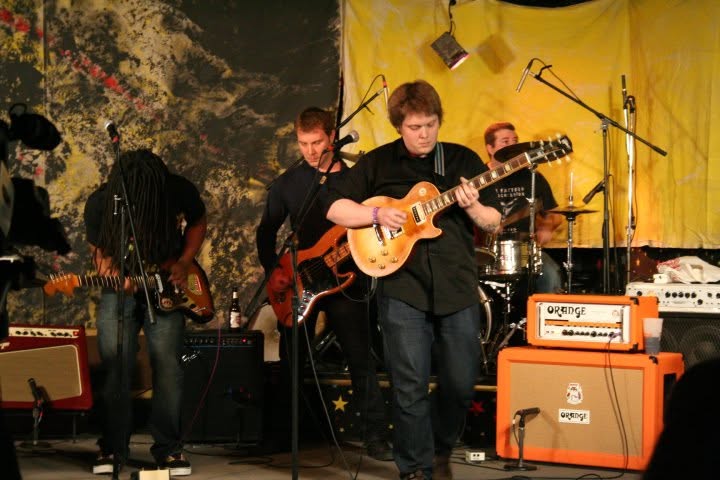
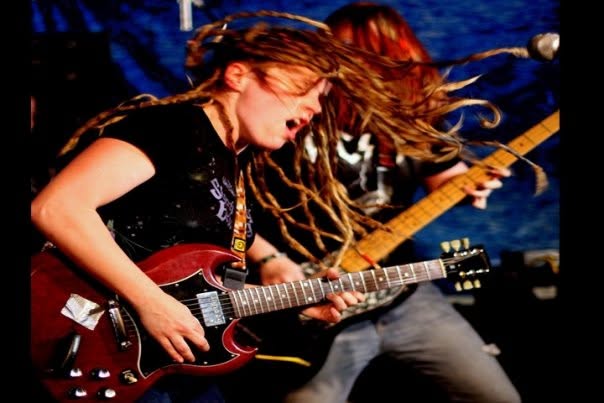
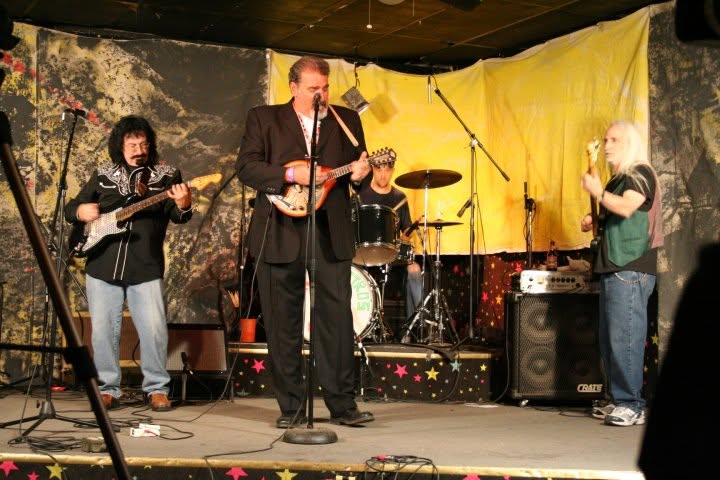
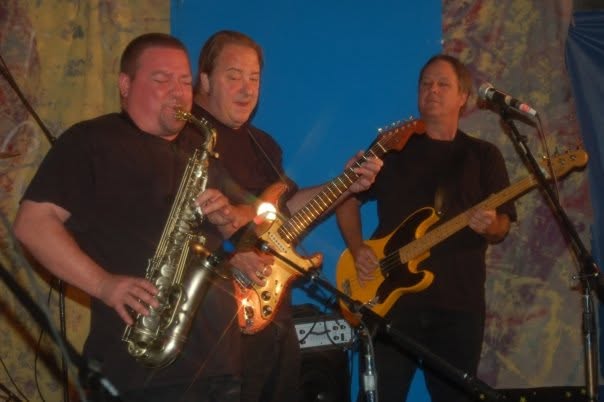
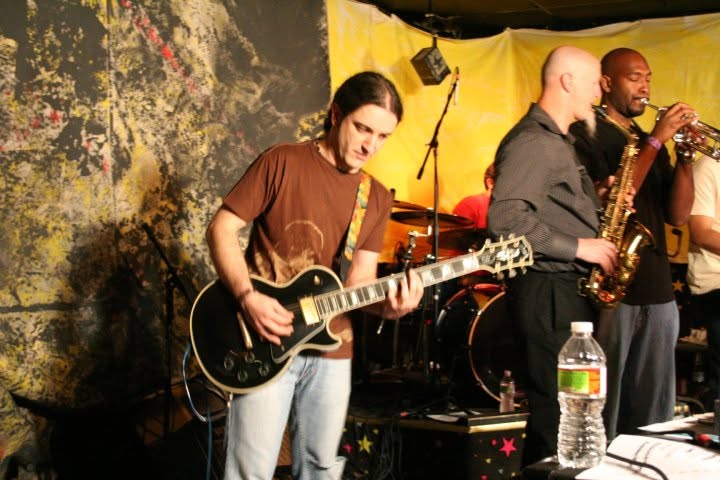
The lineups mixed rock, blues, jazz, folk, country, hip-hop, punk, experimental music, spoken word and artists whose work could be filed only under “We’ll know what it is when they start.”
Contrasting performers were deliberately placed beside one another. Someone who arrived to hear a familiar blues act might unexpectedly encounter a punk band, an experimental ensemble or a songwriter standing alone with an acoustic guitar.
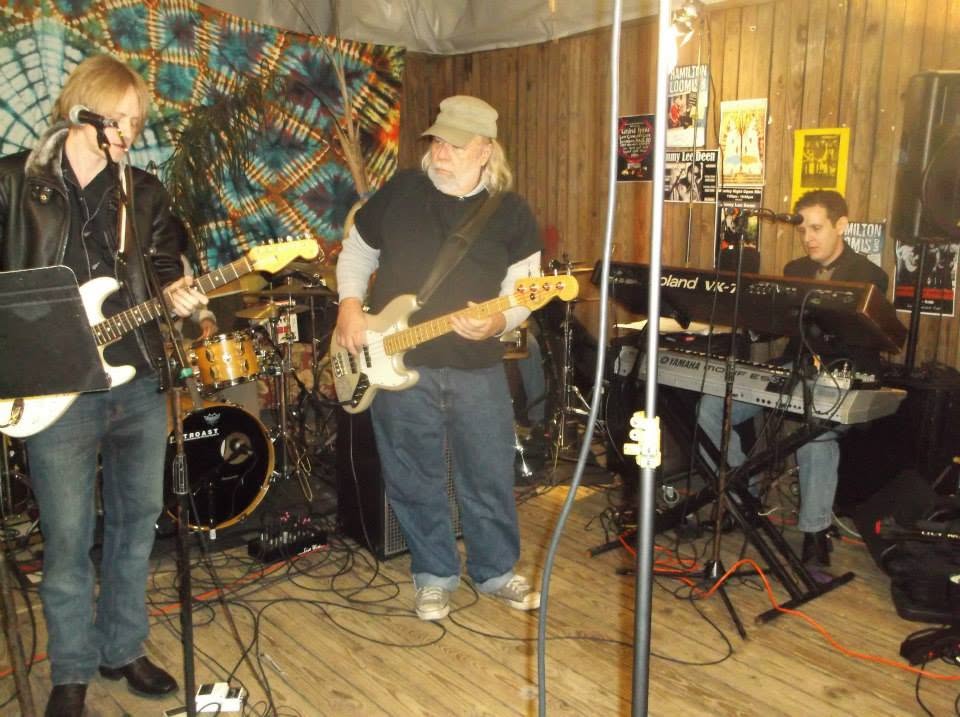
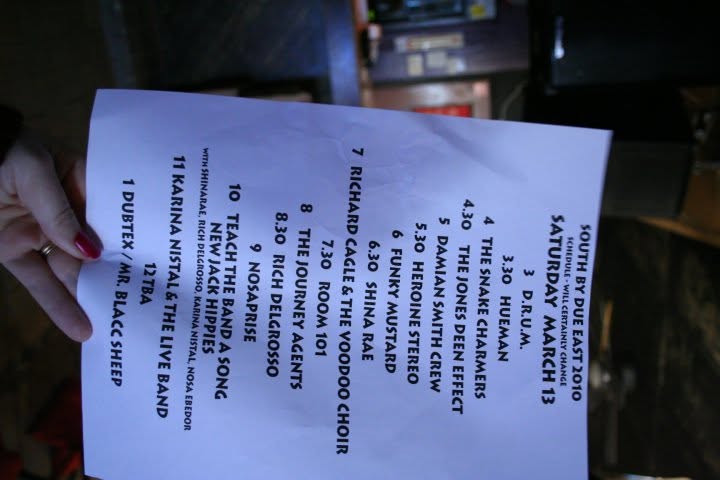
The project also developed Teach the Band a Song. Visiting artists joined the New Jack Hippies and taught them an original song from scratch in front of the cameras and recorders.
It was part musical collaboration, part television segment and part public demonstration of how quickly experienced musicians can conceal panic.
Rozycki’s 2017 article described South by Due East as a fifteenth-year event, completely free to attend, using Houston Media Source cameras and sharing raw recordings and finished material with participating artists.
The recordings were not treated as trophies to be locked away by the organizers. Artists could obtain the raw audio, raw footage and completed edits and use them for their own purposes.
South by Due East was not merely building an archive about musicians.
It was giving musicians parts of the archive while they could still use them.
The Seventeenth Year
The seventeenth annual South by Due East took place March 30 and 31, 2019, at Dan Electro’s.
After years of three- and four-day schedules lasting ten or twelve hours at a stretch, the organizers reduced the event to two eight-hour days. They planned to record fewer artists and devote more attention to the sound and video quality of each performance.
After sixteen years, the production team had discovered a daring new technique known as doing slightly less.
The New Jack Hippies performed both days and continued the Teach the Band a Song segments. Cameras remained central. Audio recording remained central. Roger remained central. Marlo continued directing the live operation while Schwartz remained musician, host, stage manager and production worker—sometimes all within the same ten minutes.
A 2020 South by Due East was scheduled.
About six weeks before the event, Schwartz looked at the developing coronavirus crisis and concluded that it was not going to happen. That conclusion came roughly a week before much of the country entered lockdown and panic.
The event was canceled.
The 2019 gathering therefore became, unintentionally, the final live South by Due East. The last BluesGuy Birthday Jam had already taken place, and the last live South by Due East had passed without anybody knowing at the time that it was the last one.
The pandemic did not merely interrupt the calendar. By the time live performance became practical again, some members of the extended South by Due East community no longer had the physical ability to stage another multi-day production. Some had died. Others had entered different phases of their lives.
Schwartz looked at the time previously consumed by producing approximately twenty-six television episodes each year and redirected it toward another improbably large undertaking: persuading the New Jack Hippies to record six to eight albums over several years.
Apparently, the lesson learned from operating an exhausting festival, television, radio and recording project for seventeen years was not to choose smaller projects.
It was to choose different enormous ones.
What South by Due East Became
South by Due East began as an answer to Houston being overlooked by Austin.
It lasted because it became more useful than a competing showcase.
It was a free festival, except when its organizers insisted it was not a festival. It was a television shoot with a large audience accidentally standing around it. It was a recording session with several dozen opening acts. It was a radio project, compilation-album series, promotional service, party and long-term archive.
Its public events ran from 2003 through 2019. Its recordings continued afterward through television, radio, digital outlets and the musicians who carried copies away with them.
Its creation cannot honestly be credited to one person.
EarthWire and M. Martin created the environment in which the idea could form. John Nova Lomax supplied criticism, publicity and, when useful, conflict. Ethan and Doak Ford helped make the Austin operation possible. Mikey Farber recognized that the first weekend should be properly recorded. Houston Media Source provided facilities, equipment, broadcast opportunities and volunteers. Roger Tausz became the audio backbone of the project. Scores of technicians and musicians contributed work.
Guy Schwartz found the project’s long-term purpose in the camera Marlo handed him and then spent much of the next seventeen years editing what came through it.
But South by Due East began most clearly with Marlo Blue.
She heard people complaining that Houston was being ignored. She proposed something much larger than the people around her initially believed practical. For months she pursued it while Schwartz remained skeptical, Houston Media Source remained unconvinced and Martin remained undecided.
Then she secured the Austin opportunity, gathered Houston’s music, organized the people, rented the camera and left everyone else with no practical alternative except to catch up.
Its beginnings belonged most clearly to Marlo Blue, who took a patio complaint and turned it into an undertaking. M. Martin supplied the unusual cultural laboratory where the idea could form. John Nova Lomax supplied both the provocation and, later, some useful conflict. Guy Schwartz found the project’s long-term purpose in the camera Marlo handed him. Roger Tausz, Mikey Farber, Houston Media Source and a changing collection of technicians and volunteers helped transform the annual gathering into an archive.
Nobody involved appears to have agreed completely about what they were building.
Fortunately, they built it anyway.